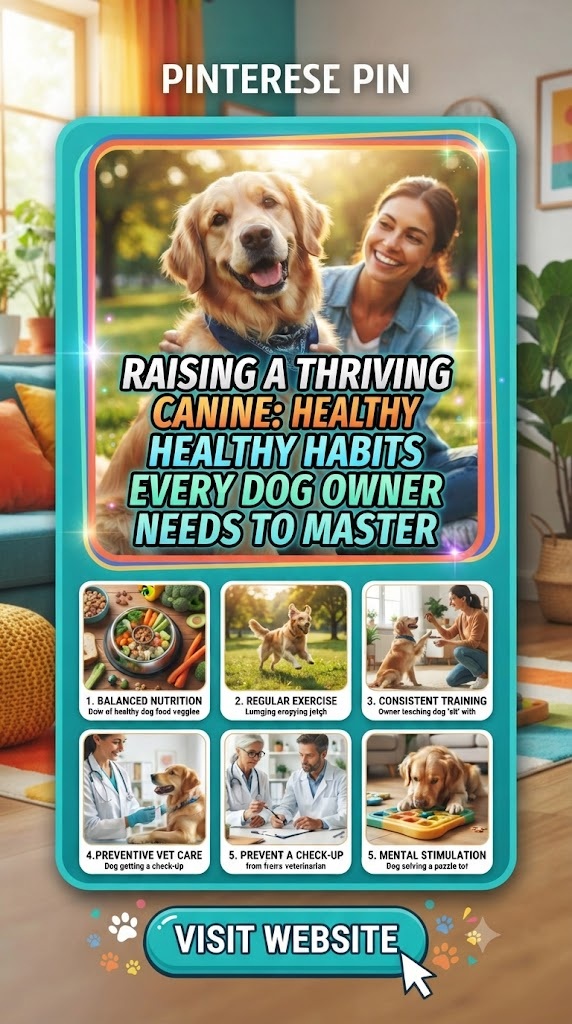
Dog Care Checklist: 10 High-CTR, Viral Title Ideas
- The 2024 Ultimate Dog Care Checklist: From Puppyhood to Senior Success
- Everything You Need to Know: The Definitive Guide to Raising a Happy, Healthy Dog
- The 101 Dog Care Essentials: Is Your Pup Getting Everything They Need?
- The Complete Dog Owner’s Manual: How to Be the Best Parent Your Pet Ever Had
- Stop Guessing! The Science-Backed Checklist for Total Dog Wellness
- From Kibble to Commands: The All-In-One Roadmap to Perfect Dog Ownership
- How to Increase Your Dog’s Lifespan: The Ultimate Daily, Weekly, and Monthly Checklist
- New Dog? No Problem. The Stress-Free Guide to Puppy Preparation and Beyond
- The Holistic Dog Care Checklist: Nutrition, Training, and Longevity Secrets
- 50+ Things Every Dog Owner Must Do (But Most Forget): The Ultimate Master List
The Ultimate Dog Care Checklist: The Definitive Guide to a Happy, Healthy Life
Bringing a dog into your home is one of the most rewarding experiences a human can have. It is the beginning of a journey filled with wagging tails, wet kisses, and an incomparable bond of loyalty. However, being a “dog person” is more than just providing cuddles and a bowl of kibble. It is a lifelong commitment to the physical, emotional, and mental well-on-being of a sentient creature that relies entirely on you.
Whether you are preparing for your first puppy or you are a seasoned owner looking to optimize your senior dog’s golden years, this comprehensive checklist serves as your roadmap. From the clinical necessities of veterinary medicine to the subtle art of canine communication, we cover every pillar of responsible dog ownership.
Phase 1: Preparation and Environment (The “Welcome Home” Stage)
Before your dog even steps paw inside your home, your environment must be ready. This phase is about safety, comfort, and establishing the “rules of the house.”
1. Puppy-Proofing (Even for Adult Dogs)
Dogs are naturally curious and often explore the world with their mouths.
- Secure the Cabinets: Use childproof locks to keep cleaning supplies, chemicals, and medications out of reach.
- Manage Cords: Tuck away electrical cords or use cord protectors to prevent chewing and electrocution.
- Trash Security: Invest in a dog-proof trash can with a locking lid. Many common kitchen scraps (like onion scraps or cooked bones) are lethal.
- Fence Check: If you have a yard, ensure there are no gaps or loose boards. Check for “dig-out” spots under the fence.
2. Essential Gear and Supplies
- The Right Bedding: Choose a bed appropriate for their size and age. Large breeds often need orthopedic foam for joint support.
- Collar, Harness, and Leash: A standard 6-foot nylon or leather leash is best for training. Avoid retractable leashes, as they offer less control and can cause injuries.
- Identification: A collar with an ID tag containing your phone number is non-negotiable.
- Crates and Gates: A crate provides a “den” where your dog can feel safe and aids significantly in potty training.
Phase 2: Nutrition and Dietary Health
Nutrition is the fuel that powers your dog’s immune system, coat quality, and energy levels. It is the single most important daily decision you make for them.
1. Choosing High-Quality Food
- Look for AAFCO Standards: Ensure the food meets the Association of American Feed Control Officials’ standards for a “complete and balanced” diet.
- Ingredient Transparency: The first ingredient should be a high-quality protein (chicken, beef, lamb, etc.), not a “by-product” or “filler” like corn or soy.
- Life-Stage Specificity: Puppies need higher caloric density and DHA for brain development. Seniors need fewer calories but more joint support (Glucosamine/Chondroitin).
2. The “No-Fly” Zone: Dangerous Foods
Memorize this list. Many human foods cause rapid organ failure in dogs:
- Xylitol: An artificial sweetener found in sugar-free gum and some peanut butters. It is highly toxic.
- Grapes and Raisins: Can cause acute kidney failure.
- Chocolate and Caffeine: Stimulants that affect the heart and nervous system.
- Onions and Garlic: Cause damage to red blood cells.
- Macadamia Nuts: Cause weakness, vomiting, and tremors.
3. Hydration
- Fresh Water Access: Clean the water bowl daily to prevent biofilm and bacteria buildup.
- Monitoring Intake: Excessive thirst can be a sign of diabetes or kidney issues; lack of thirst can indicate dehydration or nausea.
Phase 3: Preventative Medical Care
The goal of dog care is to prevent illness rather than just treating it when it appears. Regular medical maintenance is cheaper and kinder than emergency surgery.
1. Veterinary Schedule
- The Initial Exam: Every new dog needs a “nose-to-tail” exam within the first 48 hours of ownership.
- Annual Wellness Checks: Once a year (twice for seniors), a vet should perform blood work, a physical exam, and a fecal test.
- Vaccinations:
- Core Vaccines: Rabies (required by law), DHPP (Distemper, Hepatitis, Parvovirus, and Parainfluenza).
- Non-Core (Lifestyle) Vaccines: Bordetella (kennel cough), Leptospirosis, and Lyme disease (if in tick-prone areas).
2. Parasite Prevention
- Heartworm: Transmitted by mosquitoes, heartworms are fatal if untreated. Use a monthly preventative year-round.
- Fleas and Ticks: These aren’t just an annoyance; they carry diseases like Lyme, Anaplasmosis, and Bartonella.
- Deworming: Regular testing for intestinal parasites (hookworms, roundworms, tapeworms) is essential, especially for dogs that visit dog parks.
3. Dental Hygiene
- Daily Brushing: Use dog-specific toothpaste (human toothpaste contains fluoride/xylitol which is toxic).
- Dental Chews: High-quality chews can help reduce plaque, but they do not replace brushing.
- Professional Cleanings: Once tartar hardens into calculus, only a vet-administered ultrasonic cleaning can remove it.
Phase 4: Training and Mental Stimulation
A “good dog” is simply a dog that understands what is expected of them. Training is a form of communication that builds trust.
1. Positive Reinforcement
- Reward-Based Learning: Use treats, praise, and play to reinforce desired behaviors. Science shows that “dominance” or “alpha” training methods can increase aggression and anxiety.
- Consistency: Use the same cues (e.g., “sit” instead of alternating between “sit” and “sit down”).
2. Socialization
- The Critical Window: For puppies, the window between 3 and 16 weeks is vital for socialization. Expose them to different sounds, textures, people, and other vaccinated dogs.
- Neutrality Training: Socialization doesn’t mean your dog has to greet everyone. It means they can remain calm and neutral in the presence of distractions.
3. Mental Enrichment
A bored dog is a destructive dog.
- Puzzle Feeders: Use Snuffle mats or Kongs to make them work for their food.
- Scent Work: A dog’s nose is their primary way of seeing the world. Hiding treats around the house is a great way to tire them out mentally.
- Trick Training: Learning “spin,” “roll over,” or “middle” keeps their brain sharp.
Phase 5: Exercise and Physical Activity
Exercise needs vary wildly by breed. A Border Collie needs hours of work; a French Bulldog might only need a 20-minute stroll.
1. Structured Walks
- Decompression Walks: Let your dog sniff! “Sniffari” walks allow them to process information and lower their cortisol levels.
- Pace: Ensure the pace is appropriate for the dog’s age and health. Puppies shouldn’t do forced long-distance running until their growth plates close (usually 12–18 months).
2. Playtime
- Interactive Play: Fetch, tug-of-war (with rules), and flirt poles are excellent for burning physical energy.
- Off-Leash Time: Only in secure, fenced areas. Ensure your dog has a 100% reliable “recall” (coming when called) before attempting any off-leash activity.
Phase 6: Grooming and Maintenance
Grooming isn’t just about looking good; it’s a health check. While grooming, you can feel for new lumps, bumps, or skin irritations.
1. Coat Care
- Brushing: Short-haired dogs need weekly brushing to manage shedding. Long-haired or double-coated dogs (like Huskies or Doodles) need daily brushing to prevent painful matting.
- Bathing: Most dogs only need a bath every 4–8 weeks. Excessive bathing can strip the skin of natural oils, leading to itchiness.
2. Nail Trimming
- The “Click” Test: If you can hear your dog’s nails clicking on the hardwood floor, they are too long.
- The Quick: Be careful not to cut the “quick” (the blood vessel inside the nail). If you are nervous, use a dremel/grinder for a smoother, safer finish.
3. Ear and Eye Care
- Ear Cleaning: Breeds with floppy ears (like Spaniels) are prone to yeast infections. Clean them weekly with a vet-approved solution.
- Tear Stains: Wipe away eye “gunk” daily with a damp cloth to prevent staining and irritation.
Phase 7: Emergency Preparedness and Safety
Life happens. Being prepared can be the difference between a minor scare and a tragedy.
1. The Pet First-Aid Kit
Keep a dedicated bag containing:
- Self-adhesive bandages (that don’t stick to fur).
- Hydrogen peroxide (to induce vomiting, but ONLY if directed by a vet).
- Styptic powder (to stop bleeding if a nail is cut too short).
- Digital thermometer (normal dog temp is 101–102.5°F).
- Tweezers for tick removal.
2. Identification and Recovery
- Microchipping: This is a permanent form of ID. Ensure the registry is updated with your current address and phone number.
- GPS Trackers: For “escape artists,” a GPS collar (like Tractive or Fi) can track your dog in real-time.
3. Knowing the Signs of an Emergency
Seek immediate veterinary care if you notice:
- Bloat (GDV): Distended abdomen, unproductive retching, pacing. This is a surgical emergency.
- Inability to Urinate: Could indicate a blockage.
- Pale Gums: A sign of internal bleeding or shock.
- Seizures or Sudden Disorientation.
Phase 8: Senior Dog Care (The Golden Years)
As your dog ages, their needs shift. They require more patience and more frequent medical monitoring.
1. Mobility Support
- Ramps and Stairs: Help them onto the bed or into the car to save their joints.
- Non-Slip Surfaces: Put down yoga mats or runners on slippery hardwood floors to prevent falls.
2. Cognitive Health
- Dementia Awareness: Canine Cognitive Dysfunction (CCD) can cause “sundowning,” where dogs become confused at night.
- Dietary Supplements: Omega-3 fatty acids and antioxidants can help maintain brain health.
3. Comfort First
- Temperature Regulation: Senior dogs struggle to regulate their body temperature. They may need sweaters in the winter and cooling mats in the summer.
- Pain Management: Never give your dog human pain relievers (like Ibuprofen/Tylenol), which are toxic. Work with your vet on a protocol using NSAIDs or Librela.
Phase 9: The Emotional Bond and Responsibility
Beyond the logistics of food and medicine lies the core of dog ownership: the relationship.
1. Quality Time
Spending 15 minutes of undivided attention with your dog daily—whether it’s belly rubs, light training, or just sitting together—reduces stress for both species.
2. End-of-Life Planning
It is the hardest part of ownership, but being a responsible owner means ensuring your dog does not suffer. Discuss “Quality of Life” scales with your vet to understand when it might be time to say goodbye.
The Dog Care Checklist: Summary Table
| Category | Daily Task | Weekly Task | Monthly/Yearly Task |
|---|---|---|---|
| Nutrition | Fresh water, measured meals | Wash food/water bowls | Weight check, inventory food |
| Health | Physical check (lumps/bumps) | Brush teeth (3-7x/week) | Flea/Tick/Heartworm meds |
| Exercise | At least 30-60 mins activity | Socialization/New park | Annual Vet Exam |
| Grooming | Quick brush (if long hair) | Clean ears, check paws | Nail trim, Bath (as needed) |
| Training | 5-10 mins trick review | New command or environment | Update ID tags/Microchip |
Final Thoughts
Being a dog owner is a journey of constant learning. No dog is perfect, and no owner is perfect. However, by following this checklist, you provide the structure and care necessary for your dog to thrive. When you invest in their health, training, and happiness, they pay you back in a currency that is far more valuable: a lifetime of unconditional love.
Treat every walk as an adventure, every training session as a conversation, and every day as a gift. Your dog may only be a part of your world, but to them, you are their entire world. Build it well.