
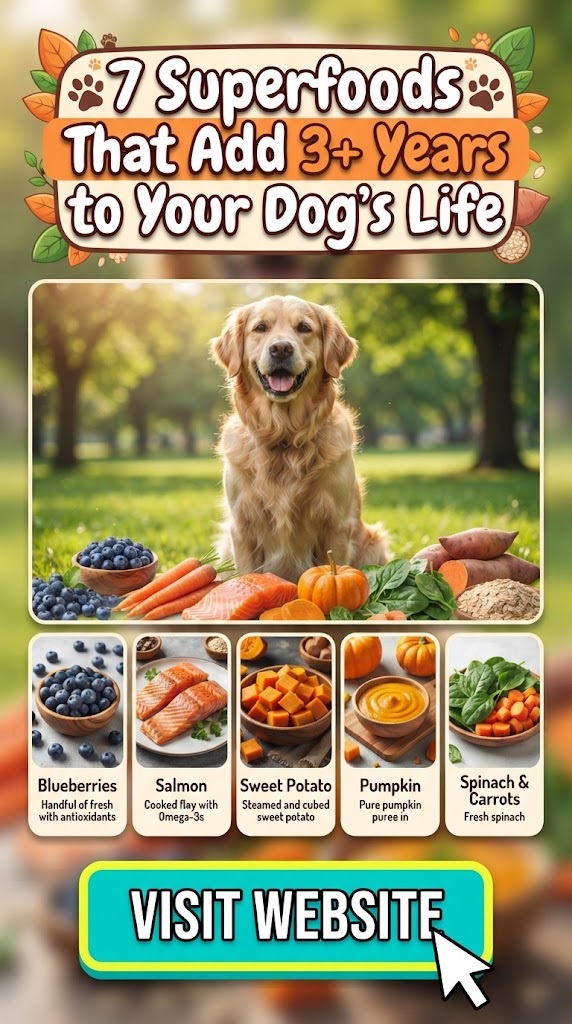
7 Superfoods That Add 3+ Years to Your Dog’s Life (Vet-Approved Guide)
Meta Description: Discover 7 science-backed superfoods that reduce inflammation, protect cognitive health, and potentially add years to your dog’s lifespan. Includes a quick-serving guide and feeding safety rules!
Every dog owner shares a single, heart-wrenching wish: to give their four-legged best friend a longer, healthier life.
While genetics and exercise play significant roles in canine longevity, veterinary science has revealed a powerful secret: chronic inflammation and oxidative cellular stress are two of the biggest drivers of premature aging in dogs.
The standard diet of highly processed commercial kibble—often cooked at extreme temperatures—can leave gaps in essential antioxidants, living enzymes, and essential fatty acids. Over time, this leads to early joint degeneration, cognitive decline, digestive issues, and weakened immunity.
The good news? You don’t need an expensive custom diet to transform your pup’s health. By adding small, nutrient-dense whole foods—known as superfoods—to your dog’s regular food bowl, you can fight cellular aging from the inside out.
Here are 7 vet-approved superfoods that can add vibrant, active years to your dog’s life, along with the exact serving sizes and safety guidelines to get started today.
Why Superfoods Matter for Canine Longevity
A “superfood” isn’t a marketing gimmick; it is simply a whole food that delivers an exceptionally high concentration of vitamins, minerals, anti-inflammatory compounds, and antioxidants per calorie.
When your dog digests nutrient-dense foods:
- Antioxidants neutralize free radicals—unstable molecules that damage DNA and accelerate tissue aging.
- Omega-3 fatty acids decrease systemic inflammation, protecting aging joints, kidneys, and cardiac muscle.
- Prebiotic fibers nourish beneficial gut bacteria, where up to 70% of your dog’s immune system resides.
A major landmark study on canine health (the Belgian Longevity Study) found that dogs fed fresh, whole food additions alongside standard diets lived an average of 32 months (nearly 3 years) longer than dogs fed non-supplemented, highly processed commercial food alone.
The 7 Longevity Superfoods for Dogs
1. Blueberries: The Brain and Immune Shield
Blueberries are often called nature’s ultimate health berry, and for good reason. Packed with anthocyanins (the compound that gives them their deep purple hue), blueberries are one of the most potent antioxidant sources on earth.
- Why It Adds Years: As dogs age, they suffer from oxidative stress that can lead to Canine Cognitive Dysfunction (doggie dementia). The flavonoids in blueberries cross the blood-brain barrier, protecting brain cells, boosting memory, and reducing age-related cognitive decline.
- Key Nutrients: Anthocyanins, Vitamin C, Vitamin K, manganese, and soluble fiber.
- How to Serve: Fresh or frozen. Use them as low-calorie training treats or toss a small handful directly onto their daily meal.
2. Wild Sardines: The Joint & Heart Preserver
Inflammation is the hidden killer of aging dogs, driving arthritis, kidney disease, and heart trouble. Fresh or canned wild-caught sardines (packed in water with no added salt) are packed with bioavailable EPA and DHA Omega-3 fatty acids.
- Why It Adds Years: Unlike plant-based omega sources, the long-chain fatty acids in marine sources are immediately usable by your dog’s body. They lubricate stiff joints, keep skin hydrated, lower blood pressure, and reduce systemic cardiac inflammation.
- Key Nutrients: Omega-3 fatty acids (EPA/DHA), Vitamin D, Vitamin B12, selenium, and coenzyme Q10.
- How to Serve: Canned in spring water (no salt added, no oil). Mash a portion into their food 2–3 times per week.
3. Plain Pumpkin: The Gut Microbiome Anchor
A healthy gut is essential for a long life. Pure, plain pumpkin puree (not sweet pumpkin pie filling!) is rich in both soluble and insoluble fiber, making it a powerful natural tool for digestive health.
- Why It Adds Years: Pumpkin acts as a prebiotic, feeding the friendly bacteria in your dog’s microbiome. A balanced microbiome improves nutrient absorption, prevents digestive flare-ups, regulates bowel movements, and keeps the immune system sharp.
- Key Nutrients: Beta-carotene (Vitamin A), Vitamin C, potassium, soluble fiber, and zinc.
- How to Serve: 100% pure canned pumpkin puree or plain steamed pumpkin. Add a spoonful directly over kibble or fresh food.
4. Turmeric (Curcumin): The Natural Anti-Inflammatory
Turmeric contains curcumin, a compound widely studied for its powerful anti-inflammatory, antioxidant, and anti-cancer properties.
- Why It Adds Years: Chronic inflammation wears down internal organs and accelerates cartilage degradation in joints. Curcumin works similarly to mild anti-inflammatory agents without the harsh stomach side effects, offering joint relief and cellular protection.
- Key Nutrients: Curcuminoids, iron, manganese, and Vitamin B6.
- How to Serve: Curcumin requires a healthy fat (like coconut oil) to absorb properly in the gut. Create a “Golden Paste” by gently warming organic turmeric powder, cold-pressed coconut oil, and a dash of black pepper, then cool and serve in small pinches.
5. Steamed Broccoli: The Cellular Detoxifier
Broccoli and other cruciferous vegetables contain a compound called glucoraphanin, which converts into sulforaphane during digestion.
- Why It Adds Years: Sulforaphane is a potent activator of the body’s natural Phase II detoxification enzymes. It helps target free radicals, neutralizes environmental toxins, protects blood vessels, and exhibits strong natural anti-cancer activities.
- Key Nutrients: Sulforaphane, Vitamin C, Vitamin K, potassium, and chromium.
- How to Serve: Always serve lightly steamed or pureed (raw cruciferous vegetables can be tough on a dog’s digestive system and thyroid). Chop finely and feed in moderate amounts.
6. Pasture-Raised Eggs: The Complete Muscle-Building Protein
Eggs are often called nature’s most perfect protein because they contain every essential amino acid required by a canine body in near-perfect bioavailability.
- Why It Adds Years: Sarcopenia (age-related muscle loss) is a major contributor to mobility failure in senior dogs. Highly digestible protein preserves lean muscle mass, supports organ tissue repair, and maintains metabolic energy well into senior years.
- Key Nutrients: Complete amino acids, riboflavin, folate, Vitamin B12, iron, and fatty acids.
- How to Serve: Cooked only (scrambled or plain hard-boiled without butter, oil, salt, or seasonings). Use as a nutrient-rich meal topper 2–3 times a week.
7. Chia Seeds: The Hydration & Metabolic Stabilizer
Don’t let their small size fool you; chia seeds are packed with nutrients. They absorb up to 12 times their weight in water, helping keep aging dogs hydrated.
- Why It Adds Years: Chia seeds help regulate blood sugar levels, reduce glycemic spikes after meals, support metabolic function, and keep energy steady. Their combination of fiber and alpha-linolenic acid (ALA) supports healthy skin, coat integrity, and colon health.
- Key Nutrients: Alpha-Linolenic Acid (plant Omega-3), calcium, phosphorus, soluble fiber, and magnesium.
- How to Serve: Soak chia seeds in water or bone broth for 15 minutes to form a soft gel before mixing into your dog’s food for maximum absorption and safety.
Dog Superfood Quick-Reference Chart
Use this handy reference guide to easily match superfoods with your dog’s body size and specific health targets.
| Superfood | Primary Longevity Benefit | Key Active Compound | Small Dog (1-20 lbs) Daily Dosing | Medium Dog (21-50 lbs) Daily Dosing | Large Dog (51+ lbs) Daily Dosing |
| Blueberries | Cognitive & Brain Health | Anthocyanins | 2 – 3 berries | 4 – 5 berries | 6 – 8 berries |
| Sardines (in water) | Joint & Heart Longevity | Omega-3 (EPA/DHA) | ¼ – ½ fish | ½ – 1 fish | 1 – 2 fish |
| Plain Pumpkin | Gut Microbiome & Digestion | Soluble Fiber & Vitamin A | 1 – 2 tsp | 1 – 2 tbsp | 2 – 3 tbsp |
| Turmeric (Golden Paste) | Cellular Anti-Inflammatory | Curcumin | Tiny pinch (⅛ tsp) | ¼ tsp | ½ tsp |
| Steamed Broccoli | Anti-Cancer & Detox | Sulforaphane | 1 small floret (chopped) | 2 – 3 small florets | 3 – 4 florets |
| Pasture-Raised Eggs | Muscle Preservation | Bioavailable Amino Acids | ½ egg (2-3x/week) | 1 egg (2-3x/week) | 1 – 2 eggs (2-3x/week) |
| Chia Seeds (Soaked) | Hydration & Blood Sugar | Soluble Fiber & ALA | ¼ tsp gel | ½ tsp gel | 1 tsp gel |
3 Critical Golden Rules for Feeding Superfoods Safely
Adding human superfoods to your dog’s bowl can work wonders, but doing it incorrectly can upset their digestive tract. Keep these three safety rules in mind:
1. Follow the 10% Treat Rule
Superfoods are meant to supplement, not replace, a complete and balanced daily dog food. Nutrient-dense additions should make up no more than 10% of your dog’s total daily calorie intake. The remaining 90% should come from their primary balanced dog food.
2. Introduce Foods One at a Time
When introducing a new superfood, start with a tiny amount and wait 48 hours. Watch for any signs of gastrointestinal upset, such as loose stools, gas, or vomiting. Introducing single ingredients makes it easy to spot if your dog has an individual intolerance.
3. Avoid These Dangerous Toxic Foods
While these 7 superfoods are safe, never confuse human health foods with canine safety. Never give your dog:
- Grapes & Raisins (causes sudden kidney failure)
- Onions, Garlic, & Chives (damages red blood cells)
- Xylitol / Birch Sugar (found in peanut butter/yogurts; fatal drop in blood sugar)
- Avocado Pit/Skin & Macadamia Nuts (toxic to canine systems)
- Cooked Bones (can splinter and puncture internal organs)
Frequently Asked Questions (FAQ)
Can I feed my dog superfoods every day?
Yes! As long as you vary the choices, keep portion sizes within the 10% daily rule, and monitor your dog’s weight and stool quality, superfoods can safely become a daily meal topper.
Are fresh superfoods better than synthetic dog vitamins?
Whole foods provide nutrients in their natural matrices along with enzymes, co-factors, and dietary fiber that synthetic powder isolates often lack. Real whole ingredients are generally much easier for your dog’s gut to absorb efficiently.
Can senior dogs start eating superfoods?
It is never too late! Senior dogs actually benefit the most from superfood toppers because their natural digestive efficiency declines with age, and they experience higher rates of cellular inflammation and joint wear.
The Takeaway: Start Small for Big Lifespan Gains
Adding years to your dog’s life doesn’t require a radical, expensive overnight transformation.
Start small this week: grab a handful of fresh blueberries, mash half a sardine over their kibble, or mix in a spoonful of plain canned pumpkin. These simple, nutrient-rich choices help fight inflammation, shield against disease, and keep your best friend happy, healthy, and by your side for years to come!