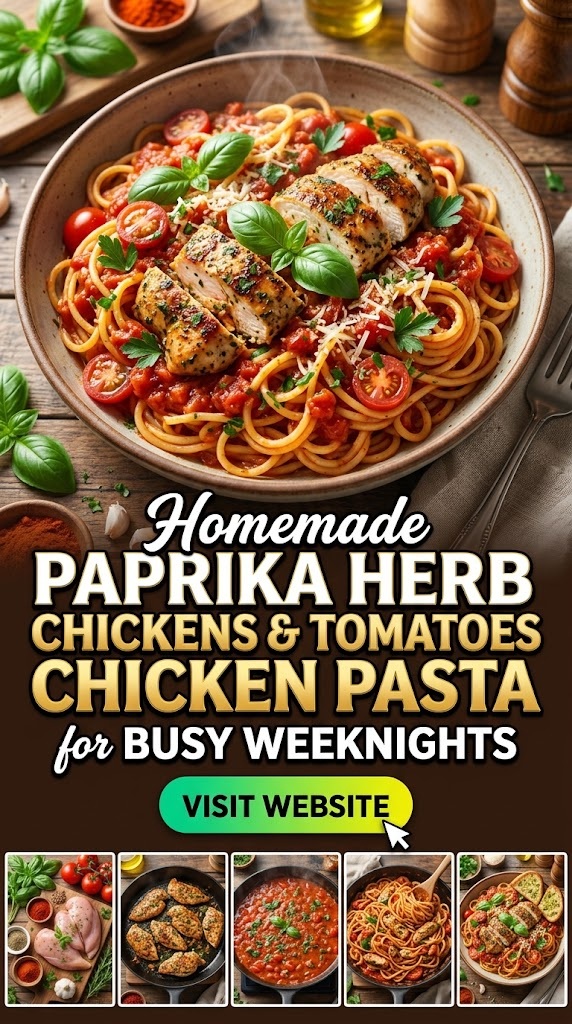

In the world of home cooking, few things are as universally beloved as a hearty chicken dinner. But when you elevate that chicken with a robust, spicy tomato sauce and the aromatic freshness of basil, you transform a standard weeknight meal into a culinary event. This Spicy Tomato Basil Boneless Chicken is more than just a recipe; it’s a versatile, crowd-pleasing masterpiece designed to satisfy everyone from picky toddlers to heat-seeking adults.
This comprehensive guide will walk you through every nuance of creating this dish, from selecting the finest ingredients to mastering the cooking techniques that ensure juicy chicken and a rich, velvety sauce every single time.
Why This Dish is the King of Family Dinners
When planning a family dinner, several factors come into play: nutrition, ease of preparation, cost-effectiveness, and, most importantly, flavor. The Spicy Tomato Basil Boneless Chicken hits the “Golden Quadrant” of home cooking.
- High Protein, Low Effort: Using boneless chicken (breasts or thighs) reduces prep time and cooking time, making it ideal for busy weeknights.
- Flavor Complexity: The combination of acidic tomatoes, sweet basil, and a spicy kick creates a balanced profile that excites the palate without being overwhelming.
- Versatility: This dish can be served over pasta, rice, quinoa, or even roasted vegetables, making it adaptable to various dietary needs.
- Meal Prep Friendly: The flavors actually deepen overnight, making the leftovers just as good—if not better—the next day.
The Science of Flavor: Why Spicy Tomato and Basil Work
To understand why this dish is so successful, we have to look at the chemistry of its ingredients.
- The Umami of Tomatoes: Tomatoes are naturally high in glutamates, the compounds responsible for the “savory” taste known as umami. When cooked down into a sauce, these flavors concentrate.
- The Aromatic Lift of Basil: Basil contains essential oils like estragole and linalool, which provide a sweet, peppery, and slightly minty aroma. Adding it at the end of the cooking process ensures these volatile oils don’t evaporate, providing a fresh contrast to the heavy sauce.
- The Heat Factor: Capsaicin, found in red pepper flakes or fresh chilis, triggers the heat receptors on our tongue. When paired with the acidity of tomatoes, the heat feels “bright” rather than just painful.
- The Maillard Reaction: By searing the boneless chicken first, we create a caramelized crust through the Maillard reaction. This adds a depth of flavor that cannot be achieved by simmering raw chicken in sauce alone.
Ingredients: The Foundation of Excellence
A dish is only as good as the ingredients you put into it. For a premium Spicy Tomato Basil Boneless Chicken, let’s break down what you need.
1. The Chicken
- Boneless, Skinless Chicken Breasts: The leanest option. Best for those watching calories. To keep them juicy, they require careful timing.
- Boneless, Skinless Chicken Thighs: The “chef’s choice.” Thighs are more forgiving, stay moist even if slightly overcooked, and have a richer flavor due to a slightly higher fat content.
2. The Tomato Base
- San Marzano Canned Tomatoes: If you can find them, these are the gold standard. They are sweeter and less acidic than standard canned tomatoes.
- Tomato Paste: This is essential for building a deep, “cooked-all-day” flavor in just a few minutes.
3. The Aromatics
- Fresh Garlic: Use at least four cloves. Avoid the pre-minced jars, as they lack the pungency of fresh garlic.
- Yellow or Sweet Onion: Provides the structural sweetness that balances the spice.
- Fresh Basil: Dried basil is a poor substitute here. You want large, vibrant green leaves.
4. The Spice Elements
- Crushed Red Pepper Flakes: The easiest way to control heat.
- Calabrian Chili Paste (Optional): For a smoky, fermented depth of heat that is traditional in Southern Italian cooking.
- Cayenne Pepper: For a sharper, more immediate heat.
5. Pantry Staples
- Extra Virgin Olive Oil: For searing and sautéing.
- Chicken Broth or Dry White Wine: To deglaze the pan and add liquid to the sauce.
- Kosher Salt and Freshly Cracked Black Pepper: Essential for seasoning every layer.
Step-by-Step Culinary Guide
Phase 1: Preparation and Searing
Preparation is the key to stress-free cooking. Start by patting your chicken dry with paper towels. Moisture is the enemy of a good sear; if the chicken is wet, it will steam rather than brown. Season the chicken generously on both sides with salt and pepper.
In a heavy-bottomed skillet (cast iron or stainless steel is best), heat two tablespoons of olive oil over medium-high heat. Once the oil shimmers, add the chicken. Do not crowd the pan; cook in batches if necessary. Sear for 5–6 minutes per side until a golden-brown crust forms. The chicken doesn’t need to be fully cooked through at this stage; it will finish in the sauce. Remove the chicken and set it aside on a plate.
Phase 2: Building the Sauce Foundation
Lower the heat to medium. In the same pan (don’t wash it—those brown bits are “fond” and contain massive flavor), add another splash of oil if needed. Toss in your finely diced onions. Sauté until translucent and slightly caramelized, about 5 minutes.
Add the minced garlic and your choice of spice (red pepper flakes or chili paste). Cook for just 60 seconds until fragrant. If the garlic burns, it will turn bitter, so keep it moving. Add the tomato paste and stir it into the onions and garlic, cooking for 2 minutes until it turns a deep rust color.
Phase 3: Deglazing and Simmering
Pour in about half a cup of dry white wine (like Pinot Grigio) or chicken broth. Use a wooden spoon to scrape up all those flavorful brown bits from the bottom of the pan. Once the liquid has reduced by half, add your crushed tomatoes.
Season the sauce with a pinch of salt and a teaspoon of sugar (to balance the acidity). Let the sauce simmer on low for 10–15 minutes to allow the flavors to meld.
Phase 4: The Final Assembly
Nestle the seared chicken pieces back into the simmering sauce, along with any juices that collected on the plate. Cover the pan and simmer for another 8–10 minutes, or until the internal temperature of the chicken reaches 165°F (74°C).
Phase 5: The Finishing Touch
Just before serving, turn off the heat. Take a large handful of fresh basil leaves. Roll them up like a cigar and slice them into thin ribbons (a technique called chiffonade). Fold the basil into the sauce. The residual heat will soften the basil and release its aroma without turning it black or losing its flavor.
Pro-Tips for the Best Results
Don’t Overcook the Chicken
If using chicken breasts, consider pounding them to an even thickness before cooking. This ensures that the thin end doesn’t dry out while the thick end is still raw. Using a meat thermometer is the only foolproof way to ensure juicy chicken.
Balance the Acidity
Not all tomatoes are created equal. If your sauce tastes too “sharp” or acidic, add a tablespoon of butter at the end. The fat coats the tongue and mellows out the acid. Alternatively, a tiny splash of heavy cream can create a “Spicy Tomato Cream” version that kids often love.
Use the Right Pan
Avoid using reactive pans like unseasoned aluminum or thin copper for tomato-based sauces. The acid in the tomatoes can react with the metal, giving the sauce a metallic tang. Stick to enameled cast iron (like Le Creuset), seasoned cast iron, or high-quality stainless steel.
Pairing Suggestions: Making it a Full Meal
While the chicken is the star, the supporting cast matters.
- The Classic Route: Serve over Al Dente Linguine or Penne. The ridges in penne are particularly good at catching the spicy sauce.
- The Low-Carb Route: Serve over Zucchini Noodles (Zoodles) or Spaghetti Squash. The spicy tomato sauce provides enough flavor that you won’t even miss the pasta.
- The Comfort Route: Creamy Polenta or Mashed Potatoes. The richness of the base contrasts beautifully with the heat of the sauce.
- The Crunch Factor: You cannot serve this dish without a side of crusty Garlic Bread. You’ll need it to mop up every last drop of the spicy tomato sauce.
Variations to Suit Every Palate
The “Melted Mozzarella” Twist
If your family loves cheese, once the chicken is finished cooking, top each piece with a thick slice of fresh mozzarella. Cover the pan for 2 minutes until the cheese is gooey and melted. This creates a “Spicy Chicken Parm” vibe without the heavy breading.
The Slow Cooker Method
For the ultimate “set it and forget it” meal, place the raw chicken, onions, garlic, spices, and tomatoes in a slow cooker. Cook on low for 6 hours. Stir in the fresh basil and a splash of balsamic vinegar right before serving. The chicken will be “fall-apart” tender.
The Mediterranean Addition
Add a handful of kalamata olives and a tablespoon of drained capers to the sauce while it simmers. This adds a salty, briny punch that complements the spicy tomato and basil perfectly.
Health Benefits of This Recipe
Beyond the incredible taste, this Spicy Tomato Basil Boneless Chicken is a nutritional powerhouse.
- Lycopene: Found in abundance in cooked tomatoes, lycopene is a powerful antioxidant linked to heart health and the reduction of certain types of cancer.
- Lean Protein: Chicken is an excellent source of high-quality protein, which is essential for muscle repair and keeping you full longer.
- Anti-Inflammatory Basil: Basil contains eugenol, which has anti-inflammatory properties similar to aspirin or ibuprofen.
- Metabolism Boost: The capsaicin in the chili flakes can provide a temporary boost to your metabolic rate and help with appetite control.
Storage and Reheating Tips
One of the best things about this family dinner is that it stores remarkably well.
- Refrigeration: Store in an airtight container for up to 4 days.
- Freezing: This dish freezes beautifully. Ensure the chicken is completely covered in sauce to prevent freezer burn. It will stay fresh for up to 3 months.
- Reheating: To maintain the texture of the chicken, reheat it on the stove over low heat. If using a microwave, cover the dish and use 50% power to prevent the chicken from becoming rubbery. Add a splash of water or broth if the sauce has thickened too much in the fridge.
Common Mistakes to Avoid
- Using Dried Basil Early: If you add dried basil at the beginning, it can become bitter. If you must use dried, use it sparingly. However, for this specific dish, fresh is truly non-negotiable for the best experience.
- Not Seasoning the Chicken Directly: Some people wait to season the sauce, but the chicken itself needs salt and pepper to penetrate the meat.
- Rushing the Onion Sauté: The sweetness of the onions is what balances the spice. If you undercook them, you lose that crucial flavor bridge.
- Using Low-Quality Oil: Since olive oil is a primary fat source here, avoid “light” olive oils. Use a good Extra Virgin Olive Oil for the best flavor profile.
The Cultural Significance of the “Family Dinner”
In the fast-paced modern world, the family dinner is often the only time everyone sits down together. Serving a meal like Spicy Tomato Basil Boneless Chicken fosters a sense of comfort and connection. It’s a “slow” meal—one that encourages people to linger over their plates, talk about their day, and enjoy the communal experience of a shared, home-cooked feast.
In many cultures, specifically in Italy and the Mediterranean, the combination of tomatoes and basil is symbolic of the summer harvest and family gatherings. By bringing these flavors into your home, you’re participating in a long-standing tradition of using simple, fresh ingredients to create something extraordinary.
Frequently Asked Questions (FAQs)
Can I use frozen chicken?
Yes, but ensure it is completely thawed and patted dry before cooking. Frozen chicken that is still icy will release too much water, preventing a good sear and watering down your sauce.
How do I make it less spicy?
Simply omit the red pepper flakes or use a very small amount. You can also add a splash of heavy cream or a teaspoon of honey to the sauce, which neutralizes heat.
Is this recipe gluten-free?
Naturally, yes! As long as you don’t serve it with traditional wheat pasta, the chicken and sauce themselves are 100% gluten-free. Serve it over rice, potatoes, or gluten-free pasta.
Can I use fresh tomatoes instead of canned?
You can, but it requires more work. You’ll need to blanch, peel, and seed about 2 pounds of fresh Roma tomatoes. Canned San Marzano tomatoes are often preferred by chefs because they are picked and canned at the peak of ripeness, ensuring consistent quality year-round.
Final Thoughts: A New Family Favorite
The Spicy Tomato Basil Boneless Chicken is a testament to the power of simple ingredients. It doesn’t require expensive kitchen gadgets or exotic spices. Instead, it relies on the fundamental techniques of browning meat, sautéing aromatics, and simmering a sauce to perfection.
Whether you are cooking for a family of four on a Tuesday night or hosting a casual dinner party on a Saturday, this dish delivers every single time. It is bold, comforting, healthy, and incredibly satisfying. The next time you find yourself staring at a pack of boneless chicken in the fridge, skip the boring bake and reach for the garlic, the chili flakes, and a big bunch of fresh basil. Your family—and your taste buds—will thank you.
Summary Checklist for Success:
- Sear the chicken until golden brown (don’t skip this!).
- Caramelize the onions and tomato paste for depth.
- Deglaze the pan to capture all the flavor.
- Finish with fresh basil at the very last second.
- Serve with crusty bread to enjoy every drop of sauce.
Enjoy the process of cooking this meal as much as the meal itself. Happy cooking!