
The 30-Day Puppy Blueprint: From Chaos to Canine Good Citizen
Welcoming a puppy into your home is a whirlwind of fluffy ears, sharp teeth, and boundless energy. It is a season of life characterized by immense joy and, let’s be honest, a fair amount of sleep deprivation. The first 30 days are the most critical period in your dog’s life. During this window, their brains are like sponges, soaking up every interaction, scent, and command.
If you’ve been feeling overwhelmed by the puddles on the carpet or the shredded slippers, take a deep breath. You don’t need a miracle; you need a system. This comprehensive guide is designed to take you through a structured, 30-day “Puppy Boot Camp” that relies on positive reinforcement, scientific behavioral principles, and consistent routines to transform your wild pup into a well-mannered companion.
High-CTR, SEO-Friendly Title Ideas
- The 30-Day Puppy Transformation: A Step-by-Step Guide to the Perfect Dog
- From Chaos to Calm: How to Train Your Puppy in Exactly One Month
- The Ultimate 30-Day Puppy Training Schedule: Stop the Biting and Accidents Fast
- Puppy Boot Camp: The Science-Backed 30-Day Plan Every New Owner Needs
- Mastering Puppyhood: The 30-Day Blueprint for a Stress-Free Home
Phase 1: Preparation and the Psychology of Learning
Before the clock starts on Day 1, you must understand how a puppy thinks. Puppies do not have a concept of “right” or “wrong.” They only understand “safe” vs. “unsafe” and “rewarding” vs. “unrewarding.”
The Power of Positive Reinforcement
Science has proven that dominance-based training (the “alpha” theory) is outdated and often damaging. Instead, we use Positive Reinforcement. When your puppy performs a desired behavior, they receive something they love (a treat, praise, or play). This makes them more likely to repeat that behavior. In these 30 days, your pockets should always be filled with high-value treats.
Essential Gear for Your 30-Day Journey
- The Crate: This is your puppy’s “den,” not a cage for punishment.
- Long Line and Standard Leash: For safety and recall training.
- Clicker: A tool to “mark” the exact moment a puppy does something right.
- Interactive Toys: Kongs or puzzle feeders to keep their minds busy.
- High-Value Treats: Think boiled chicken, small cheese cubes, or freeze-dried liver.
Week 1: The Foundation (Days 1–7)
Primary Goal: Trust, Potty Training, and Crate Confidence.
The first week is about management. You aren’t teaching “roll over” yet; you are teaching your puppy that you are the source of all good things and that their new home has rules.
1. House Training (The Golden Rule)
Potty training is 90% management and 10% luck. For the first seven days, your puppy should never be out of your sight.
- The Schedule: Take them out immediately after waking, after eating, after playing, and every 45 minutes in between.
- The Reward: When they go outside, throw a “potty party.” Give three treats and verbal praise the second they finish.
- The Error: If they have an accident, do not scold them. Clean it with an enzymatic cleaner and realize it was a failure of the schedule, not the dog.
2. Crate Training 101
The crate prevents nighttime accidents and destructive chewing.
- Day 1-3: Feed all meals inside the crate with the door open. Toss treats inside randomly throughout the day.
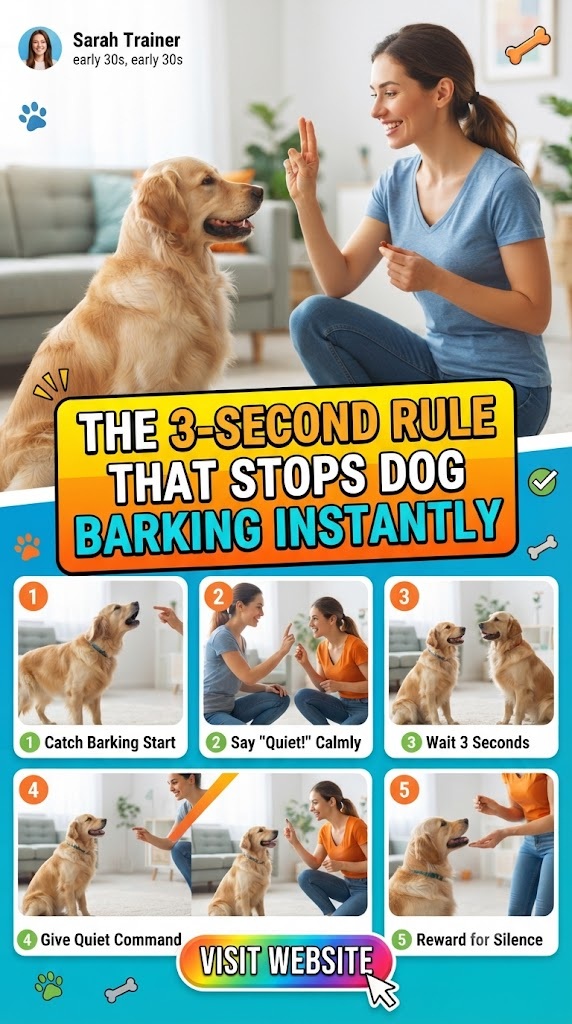
- Day 4-7: Close the door for short intervals (1-5 minutes) while you are in the room. Gradually increase the time. Never let them out while they are barking; wait for a 3-second gap of silence.
3. Name Recognition
Say your puppy’s name. The moment they look at you, click (or say “Yes!”) and give a treat. Repeat this 20 times a day. Your puppy should learn that their name means “Look at my human for something awesome.”
Week 2: Communication and Basic Mechanics (Days 8–15)
Primary Goal: Luring behaviors and focus.
Now that the puppy understands the routine, it’s time to start the “vocabulary.” We use a technique called Luring.
1. The “Sit” Command
Hold a treat to your puppy’s nose and slowly move it back over their head toward their tail. As their nose goes up, their butt will go down. The moment it hits the floor, say “Sit,” click, and reward.
2. The “Down” Command
From a sitting position, move the treat from their nose straight down to the floor between their paws. When their chest touches the ground, mark and reward. This is often the hardest basic command, so be patient.
3. “Look at Me” (Focus)
Hold a treat to your eye level. When the puppy makes eye contact, reward. This is the foundation for all outdoor training. If a dog isn’t looking at you, they aren’t listening to you.
4. Handling and Socialization (Part A)
Touch your puppy’s paws, ears, and tail every day. Reward them for staying calm. This prepares them for the vet and the groomer. Open umbrellas, drop pans (at a distance), and play recordings of thunderstorms at low volumes to desensitize them to “scary” noises.
Week 3: Impulse Control and Public Manners (Days 16–23)
Primary Goal: Manners in the face of distraction.
Puppies are naturally impulsive. Week 3 is about teaching them that “waiting” is the fastest way to get what they want.
1. Leave It
Place a “boring” treat on the floor and cover it with your hand. The puppy will sniff and paw. The moment they pull back, even for a second, reward them with a “better” treat from your other hand. Eventually, they will learn that ignoring the floor-treat leads to a jackpot.
2. Loose Leash Walking (The “Red Light, Green Light” Game)
Walking a puppy is often like being pulled by a tiny, furry tractor.
- Green Light: If the leash is slack, you walk.
- Red Light: The moment the leash goes taut, you stop dead. Do not move until the puppy looks back or moves toward you to create slack.
- Reward: Reward the puppy for walking by your side, not just for not pulling.
3. Socialization (Part B)
Socialization is NOT just meeting other dogs. It is about being neutral in new environments. Take your puppy to a hardware store, a park, or a parking lot. Don’t force them to meet everyone. Just sit on a bench and reward them for watching the world go by without barking or lunging.
Week 4: Reliability and Graduation (Days 24–30)
Primary Goal: Strengthening commands and “The Big One” (Recall).
In the final week, we “proof” the behaviors. A “Sit” in the living room is easy; a “Sit” while a squirrel is running by is the real test.
1. The Emergency Recall (“Come”)
This could save your dog’s life.
- Start in a hallway. Have a partner hold the puppy. You run away excitedly. When they release the pup, yell “Come!” in a high-pitched, happy voice.
- When the puppy reaches you, give a “Jackpot” (5-10 tiny treats in a row).
- Rule: Never call your dog to you for something they dislike (like a bath or leaving the park).
2. Stay with Distance and Duration
Ask for a “Sit” or “Down.” Count to three, then reward. Gradually increase to 10 seconds. Then, take one step back, return, and reward. If the puppy breaks, you moved too fast. Go back a step.
3. Curbing the Nipping and Biting
By now, “puppy biting” should be decreasing. If they nip your skin, let out a sharp “Ouch!”, stop all play, and walk away for 30 seconds. This “reverse timeout” teaches them that biting ends the fun.
The Daily 30-Minute Routine
You don’t need hours of training. Puppies have short attention spans. Break your training into three 10-minute sessions.
- Morning (10 mins): Review Week 1 & 2 basics (Sit, Down, Name).
- Afternoon (10 mins): Impulse control (Leave it, Stay, Wait at the door).
- Evening (10 mins): New skills or leash work inside the house.
Troubleshooting Common Roadblocks
“My Puppy Won’t Stop Barking in the Crate”
Check the “Big Three”: Are they hungry? Do they need to potty? Are they bored? If the answer is no, you must ignore the barking. Any attention—even negative attention—reinforces the behavior.
“They Were Doing Great, but Now They’ve Forgotten Everything”
This is common around the 3-4 week mark. It’s called “regression.” Puppies aren’t robots; they have off-days just like humans. If they struggle with a command they knew yesterday, go back to luring with a treat. Make it easier for them to win.
“They Are Terrified of the Leash”
Don’t pull them. Put the harness and leash on them inside the house and let them drag it around while they eat or play. Associate the weight of the leash with “fun time.”
Beyond the 30 Days: Maintaining the Momentum
Congratulations! You’ve survived the first month. But training is a marathon, not a sprint.
- Adolescence is Coming: Between 6 and 12 months, your dog will enter their “teenage” phase. They will test boundaries. The work you did in these 30 days is the anchor that will keep them grounded during that turbulent time.
- Keep it Fun: Training should be the highlight of your dog’s day. If you find yourself getting frustrated, end the session with a simple “Sit” and a game of tug.
- The “Nothing in Life is Free” Rule: Continue asking your dog to “Sit” before they get their dinner, before you open the door for a walk, and before they get a belly rub. This reinforces your leadership without any aggression or fear.
Final Thoughts: The Bond is the Goal
The secret to training a puppy in 30 days isn’t about perfect “heeling” or impressive tricks. It’s about building a language of mutual respect. When you spend 30 days consistently communicating what you want, you aren’t just training a dog; you are building a friendship that will last a decade or more.
Consistency is your best friend. Every person in your household must use the same words and the same rules. If Mom says “Down” and Dad says “Lay down,” the puppy stays confused. Stick to the plan, stay patient, and remember to take plenty of photos—they won’t stay this small for long.
Your 30-day journey starts now. Happy training!