
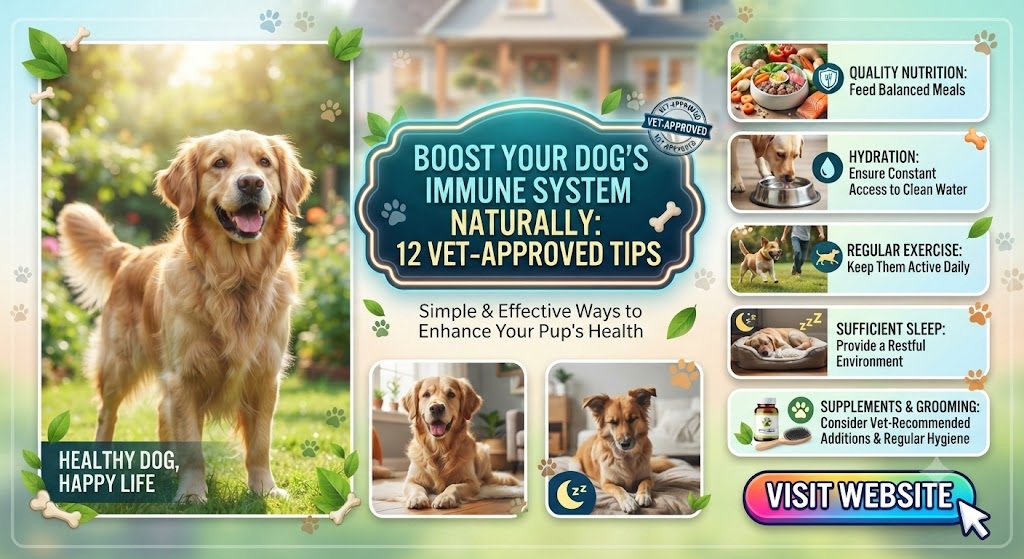
How to Supercharge Your Dog’s Immune System for a Longer, Happier Life
Your dog is more than just a pet; they are a family member, a loyal companion, and a source of unconditional love. As a responsible pet parent, seeing your dog vibrant, energetic, and healthy is the ultimate goal. However, just like humans, dogs are constantly bombarded by environmental stressors, pathogens, and age-related decline. The secret to a long, disease-free life doesn’t lie in a single “miracle” pill, but in the strength of their immune system.
The immune system is a complex network of cells, tissues, and organs that work in harmony to defend the body against invaders like bacteria, viruses, and fungi, while also identifying and neutralizing internal threats like cancer cells. When this system is firing on all cylinders, your dog can bounce back from injury and resist illness. When it’s compromised, even a minor cold can turn into a major health crisis.
In this comprehensive guide, we will dive deep into the science and practice of boosting your dog’s immune system through nutrition, lifestyle, and holistic care.
1. The Foundation: Nutrition as Preventative Medicine
If the immune system is a fortress, nutrition is the masonry that builds the walls. What you put into your dog’s bowl every day is the single most important factor in determining their health span.
The Problem with Ultra-Processed Kibble
Most commercial kibbles are processed at extremely high temperatures (extrusion). This process can destroy natural enzymes and vitamins, while creating harmful byproducts like heterocyclic amines and acrylamides. Furthermore, many low-quality brands rely heavily on “fillers” like corn, soy, and wheat, which can trigger inflammation—the arch-enemy of a healthy immune system.
The Power of Real, Whole Foods
To boost immunity, consider a diet rich in:
- High-Quality Proteins: Amino acids are the building blocks of immune cells. Opt for lean meats like turkey, beef, or fish.
- Antioxidant-Rich Vegetables: Blueberries, kale, spinach, and steamed broccoli are packed with phytonutrients that neutralize free radicals.
- Healthy Fats: Omega-3 fatty acids found in fish oil or green-lipped mussels are potent anti-inflammatories.
The Case for Raw or Gently Cooked Diets
Many holistic veterinarians argue that raw or gently cooked diets provide the live enzymes and bioavailable nutrients that processed kibble lacks. By reducing the metabolic stress of digesting “dead” food, your dog can redirect that energy toward immune surveillance.
2. The Gut-Immune Connection: 70% of the Defense
It is a staggering biological fact: approximately 70% to 80% of your dog’s immune cells reside in their gastrointestinal tract. This is known as GALT (Gut-Associated Lymphoid Tissue). Therefore, a healthy gut equals a healthy dog.
The Microbiome Balance
Your dog’s gut is home to trillions of bacteria. When the “good” bacteria (probiotics) are outnumbered by “bad” bacteria, a state called dysbiosis occurs. This can lead to “leaky gut syndrome,” where toxins leak into the bloodstream, causing the immune system to go into chronic overdrive, leading to allergies and autoimmune issues.
How to Support Gut Health:
- Probiotics: Use high-quality, canine-specific probiotic supplements containing strains like Lactobacillus acidophilus and Bifidobacterium animalis.
- Prebiotics: These are fibers that feed the good bacteria. Pumpkin, chicory root, and dandelion greens are excellent sources.
- Fermented Foods: Small amounts of unsweetened kefir or fermented vegetables can provide a natural boost of beneficial bacteria.
- Bone Broth: Rich in collagen and amino acids like glycine, bone broth helps “seal” the gut lining, preventing systemic inflammation.
3. Nature’s Superfoods: Targeted Immune Boosters
Sometimes, diet alone isn’t enough to tackle the modern world. Adding specific “superfoods” to your dog’s regimen can provide a significant defensive edge.
Medicinal Mushrooms
Mushrooms like Reishi, Turkey Tail, Shiitake, and Cordyceps contain beta-glucans. These complex sugars “prime” the immune system, making it more efficient at recognizing and destroying pathogens and mutated cells. Turkey Tail, in particular, has been studied extensively for its ability to support dogs undergoing cancer treatments.
Turmeric (Curcumin)
Curcumin is the active compound in turmeric and is one of nature’s most powerful anti-inflammatories. Since chronic inflammation suppresses the immune response, adding a “Golden Paste” (turmeric mixed with coconut oil and black pepper for absorption) to your dog’s food can help keep their system balanced.
Colostrum
Often called “liquid gold,” bovine colostrum is the first milk produced by cows after giving birth. It is rich in antibodies (immunoglobulins) and growth factors that can help “reset” an overactive immune system (allergies) or bolster a weak one.
4. The Silent Killer: Stress and Cortisol
We often think of stress as a human problem, but dogs are incredibly sensitive to their environment. Whether it’s separation anxiety, loud noises, or tension within the household, chronic stress causes the adrenal glands to release cortisol.
While cortisol is helpful in a “fight or flight” scenario, chronically high levels suppress the immune system’s ability to function. It reduces the production of white blood cells, leaving your dog vulnerable to infections.
Strategies for Stress Reduction:
- Consistent Routine: Dogs thrive on predictability. Try to feed and walk them at the same time every day.
- Mental Stimulation: A bored dog is often a stressed dog. Use puzzle toys, scent work, and training sessions to keep their minds sharp.
- Calming Herbs: For anxious dogs, consider natural aids like Valerian root, Chamomile, or high-quality CBD oil (specifically formulated for pets).
- Physical Touch: Gentle massage and grooming lower cortisol levels in both the dog and the owner.
5. Movement and the Lymphatic System
Exercise is about more than just burning off energy; it is a vital component of the immune system. Unlike the circulatory system, which has the heart to pump blood, the lymphatic system (which carries immune cells throughout the body) relies on physical movement to circulate.
The Importance of Lean Body Mass
Obesity is one of the greatest threats to a dog’s immune system. Fat tissue is biologically active; it produces pro-inflammatory cytokines. A dog that is overweight is in a constant state of low-grade inflammation, which exhausts the immune system over time.
Tailoring Exercise to the Individual:
- Puppies: Short, frequent play sessions to avoid damaging developing joints.
- Adults: A mix of aerobic exercise (fetching, running) and steady-state walking.
- Seniors: Low-impact movement like swimming or slow walks to keep the lymph moving without stressing the joints.
6. Detoxifying Your Dog’s Environment
Your dog lives closer to the ground than you do. They breathe in the floor cleaners you use, they walk on lawns treated with pesticides, and they lick their paws afterward. This “toxic load” forces the liver and immune system to work overtime.
Reducing Environmental Toxins:
- Natural Cleaning Products: Switch to vinegar, baking soda, or pet-safe cleaners.
- Filter Their Water: Tap water often contains chlorine, fluoride, and heavy metals. Use a simple carbon filter for your dog’s bowl.
- Avoid Over-Vaccination: While vaccines are life-saving, “over-vaccinating” can overstimulate the immune system. Talk to your vet about Titer Testing, which measures the level of antibodies in your dog’s blood to see if a booster is actually necessary.
- Pest Control Caution: Be mindful of heavy chemical flea and tick preventatives. If you live in a low-risk area, consider natural repellents like cedar oil or neem oil.
7. Quality Sleep: The Great Regenerator
While your dog is sleeping, their body is hard at work. Sleep is the primary time when the body repairs tissues and produces cytokines—proteins that help the immune system respond to threats.
Dogs typically need between 12 to 14 hours of sleep per day (more for puppies and seniors). If your dog’s sleep is constantly interrupted by noise or discomfort, their immune health will suffer. Ensure they have a supportive, comfortable bed in a quiet, dark area of the home where they feel safe.
8. Identifying a Weakened Immune System
How do you know if your dog’s immune system needs help? Early detection can prevent a minor issue from becoming a chronic disease. Look out for these “Red Flag” symptoms:
- Frequent Infections: Recurring ear infections, skin hot spots, or urinary tract infections.
- Allergies: Constant itching, paw licking, or watery eyes (this is a sign of an overactive but inefficient immune system).
- Slow Healing: Cuts or scrapes that take weeks to heal.
- Lethargy: A lack of interest in play or walks.
- Digestive Issues: Chronic diarrhea, vomiting, or gas.
If you notice these signs, it’s time to consult with a holistic or integrative veterinarian to create a customized “immune-recovery” plan.
9. Age-Specific Immune Support
The needs of the immune system shift as a dog moves through the different stages of life.
For Puppies
A puppy’s immune system is a “blank slate.” They rely on maternal antibodies initially, then must build their own. Focus on high-quality nutrition and controlled exposure to “friendly” bacteria in nature to help train their immune system.
For Adult Dogs
The goal is maintenance and prevention. This is the time to focus on weight management and ensuring they aren’t being overloaded with environmental toxins.
For Senior Dogs
As dogs age, they undergo “immunosenescence”—a natural decline in immune function. Seniors benefit greatly from the addition of medicinal mushrooms, antioxidants like CoQ10, and extra joint support to keep them moving.
10. Hydration: The Often Forgotten Factor
Water is the medium for all metabolic processes. It allows the kidneys to flush out toxins and keeps the mucous membranes (in the nose and mouth) moist. These membranes are the first line of defense against inhaled pathogens.
If your dog eats dry kibble, they are likely in a state of mild, chronic dehydration. Adding water, goat’s milk, or bone broth to their food can significantly improve their hydration status and, by extension, their immune resilience.
11. The Role of Hygiene (Without Overdoing It)
While we want our dogs to have exposure to natural dirt and bacteria to keep their immune systems “educated,” we also need to prevent the buildup of harmful pathogens.
- Clean Bowls: Wash your dog’s food and water bowls daily. Bacteria like Salmonella or E. coli can thrive in unwashed bowls, especially if you feed raw or wet food.
- Paw Care: After walks in urban areas or on treated lawns, wipe your dog’s paws with a damp cloth to prevent them from licking off toxins or allergens.
- Dental Health: Dental disease is a massive drain on the immune system. Bacteria from the mouth can enter the bloodstream and affect the heart and kidneys. Regular brushing or provide natural chews to keep teeth clean.
12. Summary: The Holistic Checklist
Boosting your dog’s immune system isn’t about one single change; it’s about a lifestyle of health. Here is your “Cheat Sheet” for a bulletproof dog:
- Feed Real Food: Prioritize fresh, whole ingredients and high-quality protein.
- Heal the Gut: Incorporate probiotics and prebiotics daily.
- Supplement Wisely: Add medicinal mushrooms, Omega-3s, and turmeric.
- Manage Stress: Create a calm environment and a predictable routine.
- Move Daily: Keep your dog lean and keep the lymph flowing.
- Purify the Environment: Use non-toxic cleaners and filtered water.
- Prioritize Rest: Ensure they get 12+ hours of deep, uninterrupted sleep.
- Titer Test: Avoid unnecessary vaccinations when possible.
Conclusion
Your dog’s immune system is a miracle of biological engineering. It is their internal doctor, their personal bodyguard, and their fountain of youth. By making conscious choices about what they eat, how they move, and the environment they live in, you are giving them the greatest gift possible: the resilience to thrive.
Remember, the best time to strengthen the immune system is before your dog gets sick. Start with one or two changes this week—perhaps adding a scoop of pumpkin for gut health or switching to a natural floor cleaner—and build from there. Your dog may not be able to thank you in words, but their wagging tail and sparkling eyes will be all the thanks you need for years to come.