Winter Survival Guide for Dogs: Everything You Need to Keep Your Best Friend Toasty, Safe, and Happy
When the first flurry of snow hits the ground, many dogs transform into bundles of pure, unadulterated joy. They zoom through drifts, bury their noses in the powder, and seem to have a natural affinity for the “Great White North.” However, beneath that thick coat of fur, your dog faces unique challenges once the mercury drops.
As a responsible pet parent, it is your job to navigate the “winter wonderland” safely. Winter dog care is about more than just a cute sweater; it’s about understanding canine physiology, recognizing the hidden dangers of ice and salt, and ensuring your pup stays mentally stimulated when the “zoomies” are confined to the living room.
This comprehensive guide covers everything from paw protection to breed-specific needs, ensuring you and your dog thrive until the first buds of spring appear.
Understanding Your Dog’s Cold Tolerance: It’s Not Just About the Fur
One of the biggest myths in the dog world is that “dogs have fur, so they can’t get cold.” While a Siberian Husky is built for the Arctic, a Greyhound or a Chihuahua will start shivering the moment the thermostat hits 45°F (7°C).
Factors That Influence Cold Tolerance
- Coat Type: Double-coated breeds (like Labradors, Newfoundlands, and Shepherds) have a dense undercoat that acts as thermal insulation. Single-coated or hairless breeds have zero protection against the wind chill.
- Size and Weight: Small dogs lose body heat much faster than large dogs. Furthermore, dogs with low body fat (like Whippets) lack the natural “insulation” that a sturdier dog might have.
- Age: Puppies and senior dogs struggle to regulate their body temperature. Seniors often have thinner coats and weaker circulation, while puppies lack the muscle mass to generate heat.
- Health Status: Dogs with heart disease, kidney disease, or diabetes may have more difficulty regulating their internal temperature.
The “Rule of Thumb” for Temperature
- 45°F and Above: Generally safe for most dogs.
- Under 45°F: Cold-averse breeds may begin to feel uncomfortable.
- Under 32°F (Freezing): Small breeds, thin-haired dogs, and seniors should not be outside for long.
- Under 20°F: Potential for frostbite and hypothermia for all dogs. Limit outdoor time to quick bathroom breaks.
Paw Care: Protecting the “Winter Combat Zone”
A dog’s paws are their most vulnerable point of contact with the frozen world. Between sub-zero pavement, jagged ice, and chemical de-icers, your dog’s pads take a beating in the winter.
The Danger of Salt and Ice Melts
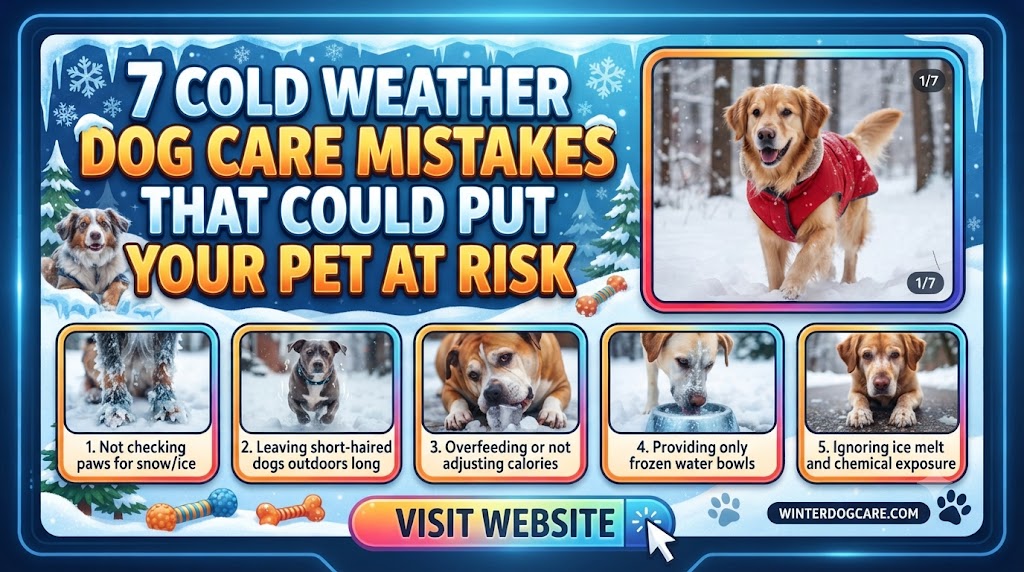
Most sidewalk salts and ice-melt chemicals are toxic to dogs. They can cause “chemical burns” on the pads, leading to redness, cracking, and bleeding. Worse, dogs often lick their paws after a walk, ingesting these chemicals, which can lead to vomiting, diarrhea, or even seizures.
Snowballing Fur
If your dog has long hair between their toes, snow can get trapped and freeze into hard “ice balls.” These are incredibly painful and feel like walking on marbles for your dog.
Solutions for Happy Paws
- Dog Boots: High-quality rubber or fabric boots are the gold standard. They provide a physical barrier against salt and cold.
- Paw Balm/Wax: If your dog refuses to wear boots, apply a thick layer of paw wax (like Musher’s Secret) before heading out. This creates a breathable, water-resistant shield.
- Post-Walk Rinse: Always wipe your dog’s paws with a warm, damp cloth after a walk to remove salt and grit.
- Trimming: Keep the hair between the pads trimmed short to prevent ice buildup.
Winter Fashion: Is a Dog Sweater Actually Necessary?
While some see dog clothes as a fashion statement, for many breeds, they are a medical necessity. If your dog is shivering, hesitating to go outside, or hunching their back, they need a layer.
What to Look For in a Winter Coat
- Material: Fleece is great for dry cold, but for snow, you need a waterproof or water-resistant outer shell. Wet fur can lead to hypothermia faster than no coat at all.
- Coverage: Look for coats that cover the belly. This is where dogs lose the most heat, especially if they are short-legged and walking through snow.
- Fit: Ensure the coat isn’t too tight (restricting movement) or too loose (letting cold air in). It should fit snugly around the neck and chest.
- Safety Features: Reflective strips are vital. Winter days are short, and visibility is low during snowstorms.
Feeding the “Winter Engine”: Nutrition and Hydration
Should you feed your dog more in the winter? The answer depends entirely on their activity level.
The “Outdoor” Dog
If your dog spends a significant amount of time outdoors or is highly active in the snow, they burn significantly more calories just trying to stay warm. These dogs may require a 10-15% increase in their daily caloric intake.
The “Couch Potato” Dog
Most house pets actually become less active in the winter because walks are shorter. For these dogs, you may actually need to reduce calories to prevent the dreaded “winter weight gain,” which puts unnecessary stress on their joints.
Hydration is Key
Dry winter air leads to dehydration just as fast as summer heat. Ensure your dog always has access to fresh, unfrozen water. If you keep a water bowl outside, switch to a heated bowl to prevent it from turning into a block of ice.
The Hidden Dangers: Antifreeze and Thin Ice
Winter brings out specific hazards that aren’t present during the rest of the year.
The Lethal Sweetness of Antifreeze
Ethylene glycol (antifreeze) is extremely toxic to dogs. Unfortunately, it has a sweet taste that dogs find irresistible. Even a few licks off a driveway can lead to fatal kidney failure.
- Prevention: Use “pet-safe” antifreeze (propylene glycol-based) in your own car. Always look for green or neon-colored puddles in parking lots and keep your dog far away.
The Danger of Frozen Ponds
Never let your dog off-leash near a frozen body of water unless you are 100% certain of the ice thickness. Dogs can easily break through thin ice, and the shock of the cold water can make it impossible for them to swim or climb out. If your dog does fall through, do not go onto the ice after them. Call emergency services and try to reach them with a long branch or rope.
Managing Winter Aches: Arthritis and Joint Care
Cold weather is notoriously hard on joints. If you have a senior dog or a dog with hip dysplasia, you will likely notice they are stiffer and slower to get up in the morning.
Tips for Aching Joints
- Heated Beds: A pet-safe orthopedic heated bed can work wonders for circulation and comfort.
- Supplements: Consider adding Glucosamine, Chondroitin, and Omega-3 fatty acids to their diet to reduce inflammation.
- Ramps: Use ramps for cars or couches to prevent the jarring impact of jumping on cold joints.
- Short, Frequent Walks: Instead of one long walk that leaves them exhausted and sore, go for three or four 10-minute “micro-walks.”
Indoor Enrichment: Keeping the “Zoomies” at Bay
When the weather is too extreme for a walk, your dog still needs a way to burn off energy. Mental stimulation can be just as exhausting as physical exercise.
Brain Games for Snowy Days
- The “Sniffing” Game: Hide high-value treats around the house and let your dog find them using their nose.
- Puzzle Toys: Invest in Kongs, Snuffle Mats, or treat-dispensing puzzles.
- Indoor Agility: Use hula hoops, cushions, and boxes to create a DIY obstacle course in your hallway.
- New Tricks: Winter is the perfect time to master “Roll Over,” “Spin,” or even “Put your toys away.”
Grooming Challenges: Dry Skin and Static Electricity
The combination of cold outdoor air and dry indoor heating can wreak havoc on a dog’s skin and coat.
Dealing with “Winter Itch”
- Bathe Less Often: Frequent bathing strips the skin of essential oils. If you must bathe them, use a moisturizing oatmeal-based shampoo.
- Brush Regularly: Brushing stimulates the skin to produce natural oils and removes dead hair that can cause matting (which traps moisture and leads to skin infections).
- Humidifiers: Running a humidifier in the room where your dog sleeps can prevent their skin and nasal passages from drying out.
The Emergency Kit: Being Prepared for Winter Storms
If a blizzard hits and the power goes out, do you have a plan for your dog?
Your Dog’s Winter Emergency Bag
- Food & Water: A 7-day supply of food and bottled water.
- Medication: A backup supply of any essential meds.
- Warmth: Extra blankets and a self-warming pet mat.
- Lighting: A LED clip-on light for their collar (in case you have to take them out in the dark during a power outage).
- Documentation: A copy of their vaccination records in case you need to go to a pet-friendly shelter.
Myth-Busting: Common Winter Dog Misconceptions
Myth 1: Dogs can eat snow for hydration. Fact: Eating snow lowers a dog’s core body temperature. Additionally, snow can hide animal waste, chemicals, or sharp debris. Always provide liquid water.
Myth 2: If it’s too cold for me, it’s too cold for them. Fact: This is actually a decent rule of thumb! While some breeds are hardier, if you are shivering in your parka, your dog is likely feeling the chill too.
Myth 3: You don’t need flea and tick prevention in winter. Fact: While some pests go dormant, ticks can become active any time the temperature rises above freezing. Furthermore, fleas love the warmth of your heated home. Keep up the prevention year-round.
Breed-Specific Winter Quick Tips
- Short-Nose Breeds (Pugs, Bulldogs): These dogs are already prone to respiratory issues. Extremely cold air can cause breathing distress. Keep walks very short.
- Northern Breeds (Huskies, Malamutes): They love the cold, but they are still susceptible to frostbite on their ears and tail tips. Don’t leave them outside unsupervised for hours.
- Hairless/Toy Breeds (Yorkies, Cresteds): These dogs need “indoor sweaters” even when they aren’t going for a walk.
- Deep-Chested Breeds (Great Danes, Dobermans): Cold can sometimes contribute to digestive upset. Avoid vigorous exercise immediately after eating in the cold.
Conclusion: Embracing the Season Safely
Winter doesn’t have to be a season of hibernation for you and your dog. With the right gear—be it a sturdy pair of boots, a reflective coat, or a stash of indoor puzzle toys—you can enjoy the crisp air and the quiet beauty of a snowfall together.
The most important tool in your winter care kit is observation. Pay attention to your dog’s body language. If they are lifting their paws, shivering, or looking longingly at the front door, it’s time to head inside, curl up by the fireplace (at a safe distance!), and enjoy the cozy side of the season.
Keep them warm, keep them dry, and keep their tails wagging until spring!