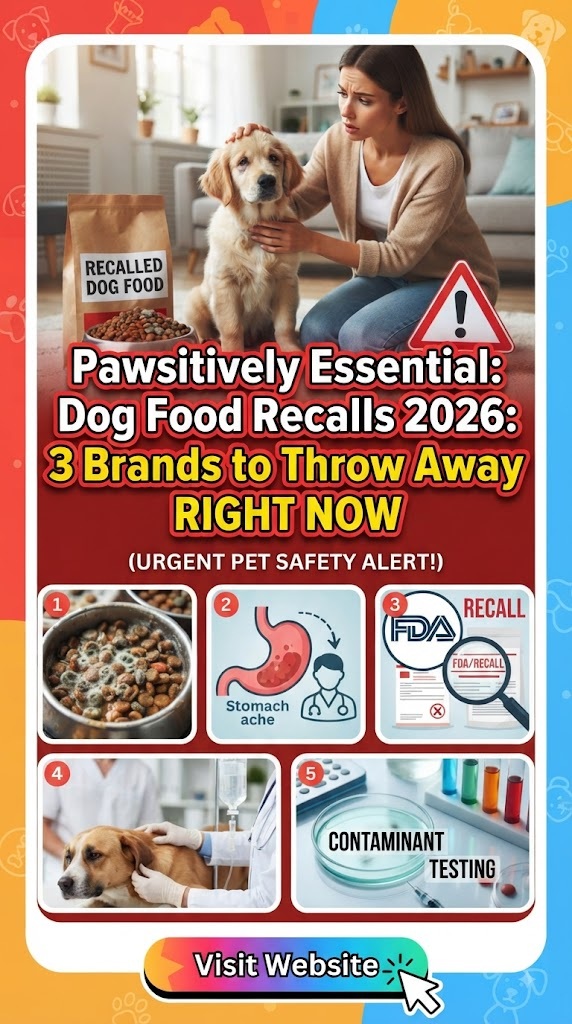
The U.S. Food and Drug Administration (FDA) and major manufacturers have issued urgent recalls and warnings covering hundreds of thousands of pet food products. Contaminants detected in 2026 range from dangerous multi-bacterial outbreaks like Salmonella and Listeria to internal physical hazards.
Because bacteria can spread from dog food to human hands and kitchen countertops, these recalls pose a serious health risk to your entire household. Here is the definitive breakdown of the three dog food brands you need to inspect, isolate, and toss out immediately.
2026 Dog Food Recall Quick-Check Chart
Before digging into the detailed breakdown, use this quick-reference chart to cross-check your pantry and freezer:
| Brand & Product Name | Recall Date | Primary Contaminant / Risk | Affected Lot Codes / Details | Immediate Risk Level |
| Raaw Energy Dog Food (All Flavors/Recipes) | May 2026 (Expanded) | Triple Bacterial: Listeria, Salmonella, & Campylobacter | All lots produced 07/17/25 – 12/23/25 + Lot from 03/31/26 (180+ lots) | CRITICAL (Severe illness / Zoonotic human risk) |
| Pedigree High Protein (Canned Wet Food) | July 2026 | Loose Metal Fragments / Foreign Object Ingestion | Chopped Chicken & Duck Flavor (Specific 2-Lot Voluntary Recall) | HIGH (Internal organ puncture / Digestive blockage) |
| Albright’s Raw Pet Food (Chicken Recipe) | May 2026 | Salmonella Contamination | 1 lb Bricks, Complete & Balanced, Lot #C001730 | HIGH (Severe diarrhea / Cross-contamination) |
The 3 Dangerous Dog Food Brands Recalled in 2026
1. Raaw Energy Dog Food (Expanded Do-Not-Feed Warning & Recall)
- Contaminant: Listeria monocytogenes, Salmonella, and Campylobacter jejuni
- Product Type: Frozen Raw Dog Food (Multiple Protein Lines)
- Scope: Over 180 lots distributed across nationwide retail and direct-to-consumer online channels
Why It’s Dangerous
The FDA issued an expanded advisory warning pet parents to immediately stop feeding all affected lots of Raaw Energy Dog Food. Independent laboratory testing confirmed a “triple-threat” bacterial contamination containing Listeria monocytogenes, Salmonella, and Campylobacter jejuni.
Listeria is particularly insidious because it can survive and even multiply in cold temperatures like your refrigerator. While infected dogs may suffer from severe fever, bloody diarrhea, lethargy, and vomiting, infected pets can also act as asymptomatic carriers. This means your dog could shed these deadly bacteria throughout your home, posing a life-threatening risk to young children, elderly family members, and immunocompromised individuals who come into contact with the pet or pet food bowls.
How to Identify Affected Bags
- Manufacturer: Raaw Energy, LLC (Adelphia, NJ)
- Production Dates: Products manufactured between July 17, 2025, and December 23, 2025, along with lot additions through March 31, 2026.
- Packaging: Black and clear plastic vacuum-sealed packages labeled “Raaw Energy Raw Dog Food.”
2. Pedigree High Protein Chopped Chicken & Duck Flavor (Canned Wet Food)
- Contaminant: Loose Metal Fragments / Manufacturing Contamination
- Product Type: Canned Wet Dog Food
- Scope: Two specific production lots distributed to major retailers nationwide
Why It’s Dangerous
In mid-2026, Mars Petcare announced a voluntary recall on select production batches of Pedigree High Protein Chopped Chicken & Duck Flavor canned wet dog food. The company identified potential contamination from loose metal pieces inside the canned food matrix.
If consumed, metal debris poses an immediate physical threat to a dog’s digestive system. Sharp foreign objects can lacerate the mouth, throat, esophagus, stomach lining, or intestinal tract. In severe scenarios, ingesting metal fragments causes internal bleeding or intestinal perforation, requiring emergency abdominal surgery.
How to Identify Affected Cans
- Product Name: Pedigree High Protein Chopped Chicken & Duck Flavor Canned Wet Dog Food (13.2 oz cans).
- Packaging: Yellow aluminum cans with red and blue Pedigree High Protein branding.
- Action Code: Check the bottom of the can for lot codes printed near the best-by dates. If you see the flagged lot numbers listed on the FDA recall portal, do not open or scoop the food—wrap the can securely and discard it immediately.
3. Albright’s Raw Pet Food (Chicken Recipe for Dogs)
- Contaminant: Salmonella
- Product Type: Frozen Raw Dog Food Bricks
- Scope: Lot #C001730 distributed in 30 lb cases
Why It’s Dangerous
Albright’s Raw Pet Food issued a voluntary safety recall after routine state laboratory testing detected Salmonella bacteria in sample bricks of their Chicken Recipe for Dogs.
Salmonella poisoning causes severe gastrointestinal disease in canines. Affected dogs often exhibit acute watery or bloody diarrhea, abdominal cramping, high fever, severe dehydration, and chronic vomiting. Young puppies, senior dogs, and canines with pre-existing conditions are at high risk of rapid dehydration and septic shock.
Furthermore, human handlers who touch raw contaminated meat or unwashed pet feeding dishes are highly susceptible to salmonellosis, which causes severe abdominal illness and hospitalization.
How to Identify Affected Units
- Product Name: Albright’s Raw Pet Food Chicken Recipe for Dogs (Complete and Balanced).
- Packaging: 1 lb roll/brick packed in clear vacuum plastic, distributed inside 30 lb cardboard shipping cases.
- Lot Code: Lot #C001730 printed on the outer case and individual sleeve.
Secondary 2026 Pet Food Warnings to Keep on Your Radar
While the three brands listed above represent the most urgent dog food safety hazards, additional specialized pet dietary products have faced regulatory action in 2026:
- Steve’s Real Food / Go Raw LLC (Freeze-Dried Chicken Recipe): Expanded a recall in mid-2026 due to significantly low thiamine (Vitamin B1) levels. Prolonged feeding of thiamine-deficient food causes neurological failure, head tilting, loss of coordination, seizures, and heart issues.
- Revival Animal Health (Breeder’s Edge Canine Milk Replacers): Recalled batches of puppy formula over elevated Vitamin D toxicity risks. Excess Vitamin D leads to hypercalcemia, organ damage, and acute kidney failure in growing puppies.
Critical Symptoms of Dog Food Poisoning & Contamination
If your dog ate any recalled food, watch closely for illness. Bacterial infections (Salmonella, Listeria) and physical ingestion hazards present distinct warning signs.
Bacterial Infection Symptoms (Salmonella & Listeria)
- Explosive, watery, or bloody diarrhea
- Persistent vomiting or severe nausea
- High fever, severe lethargy, and weakness
- Loss of appetite and refusal to drink water
- Abdominal bloating, pain, or whining when touched
Internal Damage Symptoms (Metal / Foreign Objects)
- Drooling, choking, or painful swallowing
- Gagging or dry-heaving
- Dark, tarry, or bloody stools
- Sudden pacing, restlessness, and inability to lie down comfortably
- Whimpering due to acute abdominal pain
Emergency Note: If your pet exhibits any of these symptoms after consuming food from a recalled lot, contact your veterinarian or an emergency animal clinic immediately. Bring a photograph or sample of the food packaging to assist the veterinary team.
Step-by-Step Action Plan: What to Do If You Have Recalled Dog Food
If you find a recalled bag, can, or roll of dog food in your home, follow this 4-step emergency protocol to keep your family and pet safe:
Step 1: Stop Feeding Immediately & Isolate the Food
Do not feed even a small bite of the food to your pet or secondary animals. Double-bag the product in heavy-duty plastic garbage bags, knot it securely, and place it in a sealed outdoor trash container out of reach of pets and wildlife. Do not donate or give away recalled food.
Step 2: Sanitize All Contact Surfaces
Bacterial pathogens like Listeria and Salmonella linger on surfaces for days.
- Wash all pet bowls, measuring scoops, and food storage bins in a dishwasher set to a high-heat sanitizing cycle, or scrub them with hot, soapy water followed by a diluted bleach solution (1 tablespoon of household bleach per gallon of water).
- Sanitize kitchen counters, refrigerator shelves, sink basins, and floor areas where the food was handled.
- Wash your hands thoroughly with warm water and soap for at least 20 seconds.
Step 3: Gather Proof for a Refund
Take clear photos of the brand name, product label, Lot Code, and Best-By date before throwing the food away. Most major pet retailers (such as Chewy, Petco, PetSmart, and local independent pet stores) issue full refunds or store credit for recalled items if you show a photo or receipt.
Step 4: Report the Incident to the FDA
If your pet became sick after eating a recalled diet, report the event to the FDA’s Safety Reporting Portal or your local FDA Consumer Complaint Coordinator. Consumer reports help federal inspectors track contamination outbreaks and enforce mandatory recalls on non-compliant manufacturers.
How to Protect Your Dog from Recalls
Pet food recalls are an unfortunate reality of mass production, but you can take proactive steps to safeguard your dog’s food supply:
- Keep Original Packaging: Never dump dry kibble or raw food directly into a storage container without saving the original bag. If a recall is announced, you will need the printed lot code and UPC barcode to verify safety.
- Sign Up for Real-Time Safety Alerts: Monitor official FDA animal health bulletins or subscribe to veterinary safety trackers to receive instant email notifications whenever a pet food recall is issued.
- Practice Safe Raw Handling: If you feed a fresh or raw diet, treat the food with the same biohazard caution as raw poultry in a commercial kitchen—sanitize surfaces immediately and handle food with gloves if necessary.
- Choose Transparent Manufacturers: Look for pet food companies that publish batch-specific Certificates of Analysis (COAs) and perform independent laboratory testing for pathogens before shipping products to store shelves.
By staying proactive, inspecting lot numbers, and acting quickly when recall warnings are issued, you can keep toxic contaminants out of your dog’s bowl and protect your pet’s long-term health