Can Dogs Eat Eggs? The Surprising Truth Behind This Canine Superfood
In the world of pet nutrition, few topics spark as much debate as the humble egg. For decades, dog owners have wondered: is this breakfast staple a nutritional powerhouse for my pup, or a hidden danger? If you’ve ever found yourself standing in the kitchen, a stray piece of scrambled egg falling toward your dog’s wagging tail, you’ve likely asked yourself: Can dogs eat eggs?
The short answer is a resounding yes. But as with most things in the realm of canine health, the full story is much more nuanced. In fact, some of the benefits—and risks—might completely surprise you.
From the “perfect protein” profile to the controversial raw egg diet, this comprehensive guide explores everything you need to know about feeding eggs to your dog.
1. The Nutritional Powerhouse: What’s Inside an Egg?
To understand why eggs are often referred to as “nature’s multivitamin,” we have to look at their biological makeup. Eggs are designed to support the development of a life form, which means they are packed with every essential nutrient required for growth.
A Complete Protein Source
Dogs require amino acids to build muscle, repair tissue, and maintain a healthy immune system. Eggs provide a “complete” protein profile, meaning they contain all the essential amino acids a dog’s body cannot produce on its own. On the biological value scale (a measure of how well the body can utilize a protein), eggs score a perfect 100—higher than beef, chicken, or fish.
Essential Vitamins
- Vitamin A: Crucial for vision, immune function, and skin health.
- Vitamin B12: Essential for nervous system function and the formation of red blood cells.
- Riboflavin (B2): Helps convert food into energy.
- Folate: Supports DNA synthesis and cell division.
Vital Minerals
- Iron: Necessary for oxygen transport in the blood.
- Selenium: A powerful antioxidant that protects cells from damage.
- Phosphorus: Works with calcium to build strong bones and teeth.
Healthy Fatty Acids
Eggs are rich in Omega-3 and Omega-6 fatty acids. These fats don’t just provide energy; they are the secret behind that glossy, “show-dog” coat.
2. The Surprising Benefits of Eggs for Dogs
Beyond basic nutrition, eggs offer several targeted health benefits that many pet parents overlook.
Skin and Coat Transformation
If your dog suffers from dry, itchy skin or a dull coat, eggs might be the cure. The biotin (Vitamin B7) and fatty acids in eggs help nourish the skin from the inside out, reducing inflammation and promoting the production of natural oils.
Brain Health and Cognitive Function
Eggs are one of the best dietary sources of choline. Choline is a precursor to acetylcholine, a neurotransmitter that plays a vital role in memory and cognitive function. For senior dogs, adding eggs to the diet may help keep their minds sharp.
Eye Health and Vision Protection
Eggs contain lutein and zeaxanthin, two antioxidants that accumulate in the retina. These compounds help protect a dog’s eyes from oxidative damage and may slow the progression of age-related vision loss.
3. The Great Debate: Raw vs. Cooked Eggs
This is where the “surprising” part of the egg story often begins. While some owners swear by the raw food (BARF) diet, others are terrified of the potential risks. Let’s break down the science.
The Case for Cooked Eggs
Cooking an egg eliminates the primary risks associated with raw consumption.
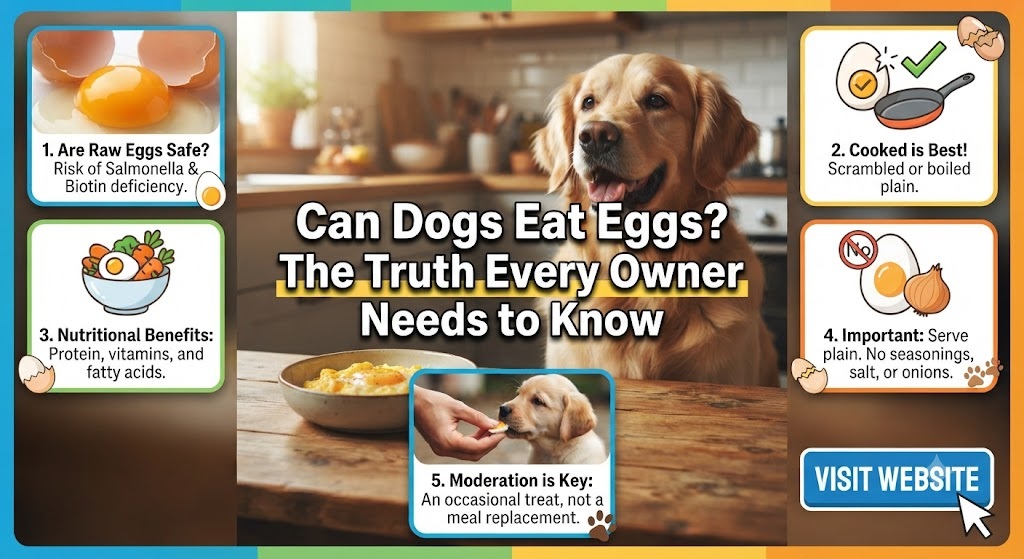
- Salmonella Risk: Like humans, dogs can get sick from Salmonella. While dogs have shorter, more acidic digestive tracts that handle bacteria better than ours, they are not immune. Furthermore, a dog carrying Salmonella can pass it to the humans in the household.
- Bioavailability: Interestingly, the protein in cooked eggs is actually more digestible than in raw eggs. Cooking denatures the proteins, making it easier for the dog’s digestive enzymes to break them down.
The Raw Egg Risks: Biotin Deficiency and Avidin
A common “surprise” for many owners is the avidin factor. Raw egg whites contain a protein called avidin, which binds to biotin (Vitamin B7) and prevents it from being absorbed. Over time, a diet heavy in raw egg whites can lead to a biotin deficiency, resulting in skin lesions and hair loss. However, the egg yolk is extremely high in biotin. If you feed the whole egg, the yolk usually provides enough biotin to offset the avidin in the white. Still, cooking completely neutralizes avidin, making it the safer choice.
4. Don’t Throw Away the Shell! (The Calcium Secret)
Perhaps the most surprising part of the egg is the shell. Most people toss them in the trash, but for dogs, they are a literal goldmine of calcium.
Eggshells are composed almost entirely of calcium carbonate. For owners who prepare homemade dog food, ground eggshells can be used as a natural calcium supplement to balance the phosphorus found in meat.
How to Prepare Eggshells for Your Dog:
- Rinse: Wash the shells to remove any residue.
- Dry: Air dry or bake them at a low temperature for 10 minutes to kill any bacteria.
- Grind: Use a coffee grinder or blender to turn the shells into a fine, flour-like powder.
- Serve: Sprinkle a small amount (usually half a teaspoon for a large dog) over their regular food.
Note: Never give your dog large, jagged pieces of eggshell, as these can irritate the throat or esophagus.
5. How to Safely Prepare Eggs for Your Pup
While eggs are healthy, how you cook them matters. The “human way” of cooking eggs often involves ingredients that are toxic to dogs.
The “Do’s” of Egg Preparation:
- Hard-Boiled: The safest and most convenient way. They are easy to portion and make great high-value training treats.
- Scrambled: A classic favorite. Just ensure you cook them in a non-stick pan without butter or oil.
- Poached: A great way to keep the nutrients intact without adding fat, though it can be messy.
The “Don’ts” of Egg Preparation:
- No Salt or Pepper: Dogs don’t need the extra sodium, which can lead to dehydration or even salt toxicity in large amounts.
- No Butter or Oil: Excessive fats can trigger pancreatitis, a painful and potentially fatal inflammation of the pancreas.
- No Onions, Garlic, or Chives: Many omelet ingredients are highly toxic to dogs and can cause life-threatening anemia.
- No “Egg Substitutes”: These often contain chemicals, preservatives, and sometimes Xylitol (a sweetener that is lethal to dogs).
6. How Many Eggs Can a Dog Eat?
Moderation is the key to any healthy diet. Even a “superfood” can cause issues if fed in excess.
The 10% Rule
Veterinary nutritionists generally recommend that treats (including eggs) should make up no more than 10% of your dog’s daily caloric intake.
- Small Dogs (under 20 lbs): Half an egg once or twice a week.
- Medium Dogs (20–50 lbs): One egg two to three times a week.
- Large Dogs (over 50 lbs): One egg daily is generally safe, provided their overall diet is balanced.
Signs of Overfeeding
If you feed your dog too many eggs, you might notice:
- Weight Gain: Eggs are calorie-dense.
- Gastrointestinal Upset: Diarrhea or “egg farts” (excessive gas caused by the sulfur content in eggs).
- Nutritional Imbalance: If the dog fills up on eggs, they may not eat enough of their nutritionally complete kibble.
7. Potential Risks and When to Avoid Eggs
While most dogs thrive on eggs, there are specific scenarios where you should be cautious.
Egg Allergies
Though not as common as beef or dairy allergies, some dogs are allergic to egg proteins. Symptoms of an allergic reaction include:
- Excessive scratching or licking of the paws.
- Ear infections.
- Hives or skin rashes.
- Vomiting or chronic diarrhea.
If you are introducing eggs for the first time, start with a very small piece and monitor your dog for 24 hours.
Pancreatitis and Fat Sensitivity
Dogs with a history of pancreatitis or those who are severely overweight should have their egg intake limited. While the fat in eggs is “healthy,” it is still fat. For these dogs, feeding only the egg white (which contains the protein but no fat) may be a safer alternative, provided it is cooked.
The Cholesterol Question
Owners often worry about cholesterol in eggs. Interestingly, dogs’ bodies handle cholesterol differently than humans. They are much more resistant to the “clogged arteries” (atherosclerosis) that plague humans. For a healthy dog, the cholesterol in eggs is rarely a concern.
8. Quail Eggs vs. Duck Eggs: Are They Better?
If you want to treat your dog like royalty, you might look beyond the standard chicken egg.
Quail Eggs
These are tiny, nutrient-dense morsels. Because of their size, they are the perfect “single-serving” egg for toy breeds. Some claim they contain higher concentrations of minerals and B-vitamins than chicken eggs.
Duck Eggs
Duck eggs are larger and have a higher fat content and a richer flavor. They are an excellent option for high-energy working dogs or dogs that need to put on weight. However, due to the high fat content, they should be introduced slowly to avoid upset stomachs.
9. Eggs as a Remedy: The “Bland Diet”
Did you know eggs can be a medicinal tool? When a dog has a bout of diarrhea or a mild upset stomach, vets often recommend a “bland diet.” While boiled chicken and rice is the standard, plain scrambled eggs are an excellent substitute for chicken. They are easy on the digestive system and provide the energy the dog needs to recover.
10. Frequently Asked Questions (FAQs)
Can puppies eat eggs?
Yes! Eggs provide essential amino acids and DHA (found in the yolk), which are critical for a puppy’s growing body and brain development. Just ensure the eggs are cooked and served in age-appropriate portions.
Can dogs eat eggshells raw?
It is not recommended. Raw shells can carry bacteria and are difficult for the dog to digest. Grinding them into a powder is the only safe way to utilize shells.
Do eggs make dogs smell?
In moderation, no. However, because eggs contain sulfur, overfeeding can lead to particularly pungent flatulence. If your dog is clearing the room after an egg snack, try reducing the frequency.
Are raw egg yolks better than whites?
The yolk contains most of the vitamins and healthy fats, while the white contains the bulk of the protein. Both are beneficial, but the yolk is where the “nutritional magic” happens.
11. The Verdict: Should You Feed Your Dog Eggs?
The answer is a definitive yes. Eggs are an affordable, accessible, and incredibly nutritious addition to almost any dog’s diet. They support everything from brain health to coat shine and offer a level of protein bioavailability that is hard to beat.
The Golden Rules to Remember:
- Cook them: Scrambled or boiled is best to avoid Salmonella and biotin deficiency.
- Keep them plain: No salt, butter, or toxic seasonings.
- Practice moderation: Treat them as a supplement, not a meal replacement.
- Use the shells: Grind them up for an easy calcium boost.
By following these simple steps, you can turn a basic kitchen staple into a gourmet health boost for your best friend. So, the next time you’re making breakfast, go ahead and crack an extra egg for the dog—they’ll thank you with a wagging tail and a healthy glow!
Summary Checklist for Pet Parents:
- Type: Chicken, Quail, or Duck (all are safe).
- Preparation: Cooked (Boiled/Scrambled).
- Seasoning: Absolutely none.
- Frequency: 1–3 times a week depending on size.
- Observation: Watch for signs of allergy or gas.
Disclaimer: While eggs are generally safe, always consult with your veterinarian before making significant changes to your dog’s diet, especially if they have underlying health conditions like kidney disease or pancreatitis.