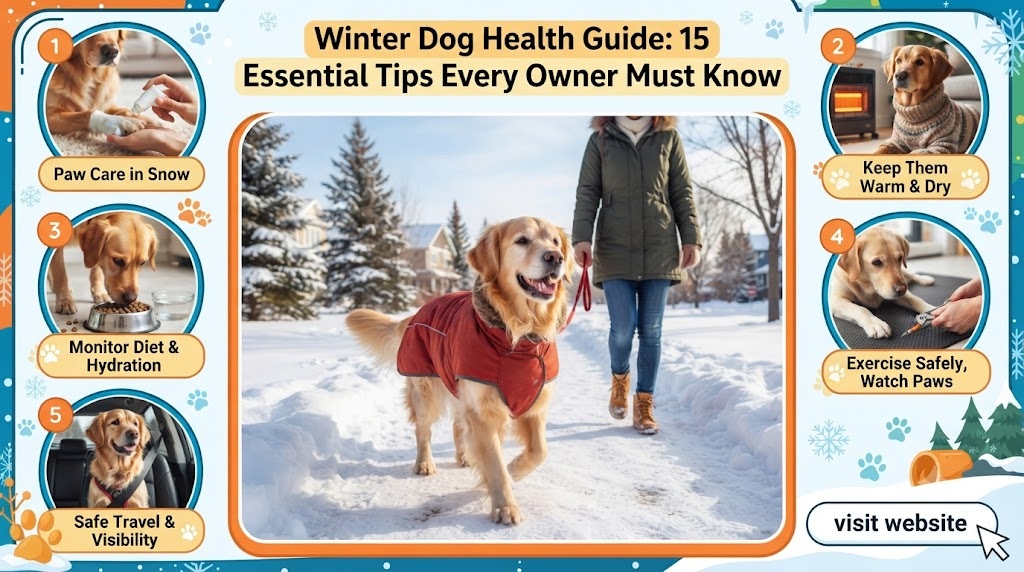
Winter Dog Health Guide: Keeping Your Best Friend Happy, Healthy, and Warm When the Mercury Drops
As the leaves fall and the first frost settles on the grass, a dog owner’s responsibilities shift. While some dogs—like the thick-coated Siberian Husky or the sturdy Bernese Mountain Dog—thrive in the snow, many others find winter to be a season of discomfort and hidden dangers. From the invisible sting of chemical de-icers to the silent progression of joint stiffness, winter presents a unique set of challenges that require a proactive approach.
This comprehensive guide is designed to navigate the complexities of winter pet care, ensuring your canine companion doesn’t just survive the winter but thrives in it.
1. Understanding the Cold Threshold: Not All Dogs Are Polar Bears
One of the most dangerous misconceptions is the idea that “dogs have fur coats, so they’re fine in the cold.” This is a generalized myth that can lead to tragedy. Every dog has a different tolerance level for cold temperatures based on several biological factors.
Breed and Coat Type
- Thick, Double-Coated Breeds: Malamutes, Newfoundlands, and Great Pyrenees have evolved for sub-zero temperatures. Their double coats act as insulation, trapping heat against the skin while shedding moisture.
- Short-Haired and Single-Coated Breeds: Greyhounds, Chihuahuas, and Boxers lack the undercoat necessary to trap body heat. For these breeds, a winter coat or sweater isn’t a fashion statement; it’s a piece of medical equipment.
- Low-Riders: Breeds like Corgis and Dachshunds are closer to the ground, meaning their bellies are more likely to come into contact with snow and ice, leading to rapid cooling.
Age and Health Status
- Puppies: Young dogs cannot regulate their body temperature as effectively as adults. Their small body mass means they lose heat rapidly.
- Seniors: Older dogs often suffer from thinning hair and slower circulation. Furthermore, many senior dogs have underlying conditions like arthritis or heart disease that make cold weather harder to tolerate.
The Temperature Guide
As a general rule:
- 45°F (7°C) and above: Most dogs are safe and comfortable.
- Under 45°F: Cold-averse breeds may begin to show signs of discomfort.
- Under 30°F (-1°C): High-risk dogs (small, thin, young/old) should not be left outside for long periods.
- Under 20°F (-7°C): All dogs are at risk of hypothermia and frostbite if exposed for extended durations.
2. Winter Grooming: The Balance Between Protection and Hygiene
Many owners stop grooming their dogs in winter, believing that “more hair equals more warmth.” While length can help, poor grooming can actually make your dog colder.
The Problem with Matting
When a dog’s coat becomes matted, it loses its insulating properties. Mats trap moisture against the skin, which can lead to bacterial infections and hot spots. In the winter, a wet, matted coat is like wearing a cold, soggy towel. Ensure you continue regular brushing to keep the fur “lofty” and capable of trapping air.
The “Paw-cure”
Winter is the most critical time for paw maintenance.
- Trim the Tufts: Hair growing between the pads can trap snow and ice, forming “ice balls” that are painful and can cause the skin to crack. Keep the hair between the pads trimmed flush with the pads.
- Nail Care: Dogs may spend less time walking on abrasive surfaces like pavement in the winter, meaning their nails won’t wear down naturally. Overgrown nails can cause a dog to splay their paws, making it easier for snow and salt to get stuck between the toes.
Bathing Precautions
Avoid frequent baths in winter, as they can strip the skin of essential oils, leading to dryness and itching. If a bath is necessary, ensure your dog is 100% dry before they step foot outside. Use a moisturizing shampoo containing oatmeal or aloe to soothe winter skin.
3. Paw Protection: Navigating Ice, Salt, and Chemicals
A dog’s paws are their primary contact point with the harsh winter environment. They are vulnerable to both physical trauma and chemical burns.
The Threat of De-icers
Most municipalities and homeowners use rock salt (sodium chloride) or chemical de-icers (magnesium chloride, calcium chloride). These substances are highly caustic. When a dog walks on treated surfaces, the chemicals can cause:
- Chemical Burns: Redness, swelling, and cracking of the paw pads.
- Ingestion Toxicity: Dogs naturally lick their paws when they get inside. Ingesting these chemicals can lead to vomiting, diarrhea, and in severe cases, salt poisoning.
Solutions for Paw Safety
- Booties: High-quality dog boots are the gold standard. They provide a physical barrier against salt and keep paws dry. Look for boots with rubberized soles for traction on ice.
- Paw Balms: If your dog refuses to wear boots, apply a thick layer of “musher’s wax” or paw balm before walks. This creates a breathable, waterproof shield.
- The Post-Walk Rinse: Keep a bowl of warm water and a towel by the door. After every walk, dip your dog’s paws in the water to rinse away chemicals and salt, then dry them thoroughly.
4. Winter Nutrition: Adjusting the Fuel for the Cold
Just as we might crave “comfort food” in the winter, a dog’s nutritional needs can change. However, whether you should increase or decrease their food depends entirely on their lifestyle.
The Outdoor Athlete
If your dog spends significant time outdoors or goes on long winter hikes, they are burning a tremendous amount of energy just to maintain their core body temperature. These dogs may require a 10% to 20% increase in caloric intake.
The “Hibernating” House Dog
Most domestic pets actually exercise less in the winter. Shorter walks and fewer trips to the park mean they are burning fewer calories. Feeding them the same amount of food as in the summer can lead to “winter weight gain,” which puts unnecessary stress on their joints. Monitor your dog’s body condition score and adjust portions accordingly.
The Hydration Myth
Many owners believe dogs aren’t at risk of dehydration in the winter. This is false. Dry winter air and indoor heating can dehydrate a dog quickly. Furthermore, many dogs are reluctant to drink ice-cold water.
- Prevent Freezing: If your dog spends time in a kennel, ensure their water bowl isn’t frozen. Use heated water bowls if necessary.
- Warm Water: Offering slightly warm water can encourage a reluctant dog to drink.
5. Identifying and Treating Hypothermia and Frostbite
Winter weather can be unforgiving. Knowing the signs of cold-related injuries is life-saving knowledge.
Hypothermia (Low Body Temperature)
Hypothermia occurs when a dog’s body temperature drops below 95°F (35°C).
- Mild Signs: Shivering, ears and paws feeling cold to the touch, and lethargy.
- Severe Signs: Muscles becoming stiff, shallow breathing, fixed and dilated pupils, and a lack of responsiveness.
- Action Plan: If you suspect hypothermia, move the dog to a warm environment immediately. Wrap them in warm (not hot) towels. Do not use a heating pad directly on the skin, as this can cause burns and “after-drop” (a dangerous drop in core temperature). Seek emergency veterinary care.
Frostbite
Frostbite often goes unnoticed because it is frequently covered by fur. It usually affects the extremities: ears, tail, and paws.
- Signs: The skin may appear pale, gray, or bluish. When touched, it may feel cold and brittle. As the area thaws, it may become red and very painful.
- Action Plan: Never rub a frostbitten area, as this causes tissue damage. Warm the area slowly with lukewarm water soaks. Do not use hot water. Contact a vet immediately, as frostbite can lead to necrosis and infection.
6. Arthritis and Joint Care: Managing the Winter Ache
If you’ve ever noticed that your own joints ache on a cold, damp day, you can sympathize with your dog. Cold weather causes muscles to stiffen and joints to become less lubricated.
Supporting the Senior Dog
For dogs with osteoarthritis, winter can be a season of significant pain. You can mitigate this by:
- Heated Beds: Orthopedic beds with a pet-safe heating element can provide immense relief.
- Ramps and Steps: Minimize the need for your dog to jump onto furniture or into the car, as cold joints are more prone to injury.
- Supplements: Winter is an excellent time to start or increase joint supplements like Glucosamine, Chondroitin, and Omega-3 fatty acids (fish oil), which help reduce inflammation.
- Keep Moving: While it’s tempting to stay inside, gentle movement is necessary to keep joints lubricated. Short, frequent walks are better than one long trek.
7. The Hidden Killer: Antifreeze Toxicity
Antifreeze (ethylene glycol) is one of the most dangerous substances a dog can encounter in winter. It has a sweet taste that dogs find appealing, but even a small amount (a few licks) can cause fatal kidney failure.
Prevention and Symptoms
- Storage: Keep all automotive chemicals on high shelves in sealed containers.
- Spills: Clean up any leaks from your car immediately using an absorbent material like kitty litter.
- Symptoms of Ingestion: In the first few hours, the dog may appear “drunk”—staggering, uncoordinated, and excessively thirsty. This is followed by a deceptive period of “recovery” before the kidneys begin to shut down.
- Emergency: If you suspect your dog has licked antifreeze, do not wait for symptoms. Go to an emergency vet immediately. There is an antidote, but it must be administered within hours of ingestion.
8. Visibility and Safety During Shorter Days
With the sun setting earlier, many of our daily walks happen in twilight or total darkness. This poses a significant safety risk from traffic.
“Be Seen” Gear
Invest in visibility equipment for both you and your dog:
- LED Collars and Leashes: These are highly effective at making your dog visible from a distance.
- Reflective Vests: High-visibility vests are essential for dark-coated dogs who “disappear” in the shadows.
- Clip-on Lights: Small, blinking LED lights can be attached to the harness for extra visibility.
The Danger of Thin Ice
If you walk your dog near lakes or ponds, keep them on a leash. A dog cannot distinguish between solid ground and a frozen pond covered in snow. Every year, dogs (and owners trying to save them) fall through thin ice. If your dog does fall through, do not go onto the ice yourself—call 911 or emergency services.
9. Mental Stimulation: Beating the “Winter Blues”
When the weather is too extreme for outdoor play, dogs can become bored, destructive, and anxious. Mental exercise can be just as tiring as physical exercise.
Indoor Enrichment Ideas
- Scent Work: Hide high-value treats around the living room and encourage your dog to “find it.” This taps into their natural instincts and burns significant mental energy.
- Puzzle Toys: Use Kongs, snuffle mats, or interactive treat dispensers to make mealtime a challenge.
- Indoor Agility: Use household items like chairs and broomsticks to create a mini-agility course in the hallway.
- The “Name Game”: Teach your dog the names of their toys. Ask them to “Get the Bear” or “Find the Ball.”
10. Holiday Hazards: A Seasonal Warning
Winter is also the season of holidays, which brings a host of specific risks to the home.
Toxic Foods
Keep the following away from your dog during holiday feasts:
- Chocolate and Caffeine: Highly toxic to the heart and nervous system.
- Xylitol: An artificial sweetener found in sugar-free gum and some baked goods; it causes a massive insulin spike and liver failure.
- Onions, Garlic, and Chives: Can cause oxidative damage to red blood cells.
- Cooked Bones: Especially poultry bones, which splinter easily and can puncture the digestive tract.
Decorations
- Tinsel and Ribbons: If swallowed, these can cause a “linear foreign body” obstruction, which is a surgical emergency.
- Christmas Tree Water: Often contains fertilizers or bacteria that can make a dog sick.
- Electric Cords: Bored puppies may chew on cords, leading to electric shocks or pulmonary edema.
11. Creating a Winter Health Kit
Just as you have an emergency kit for your car, you should have one for your dog’s winter needs. Your kit should include:
- Pet-safe ice melt for your own driveway and walkways.
- A high-quality paw balm.
- A digital thermometer (to check for hypothermia).
- Extra towels kept by the door.
- A reflective vest and LED collar.
- A supply of any regular medications (in case you get snowed in).
12. When to Call the Vet: Red Flags
Sometimes, despite our best efforts, dogs get sick or injured. Monitor your dog closely for the following “Red Flags” during the winter months:
- Persistent Shivering: Even after coming inside and being dried off.
- Discolored Skin: Especially on the ears, tail, or between toes.
- Whining or Reluctance to Walk: Could indicate paw pain or joint distress.
- Changes in Appetite or Thirst: Could indicate illness or the onset of kidney issues from chemical ingestion.
- Lethargy or “Spacey” Behavior: A major sign of hypothermia or toxicity.
Conclusion: The Joy of Winter
While this guide focuses on the risks, winter is also a time for incredible joy and bonding. There is nothing quite like watching a dog experience their first snowfall or snuggling up with your furry friend on a cold evening.
By taking these precautions—protecting their paws, adjusting their diet, monitoring the temperature, and keeping their minds active—you ensure that your dog remains a happy participant in your winter wonderland. Winter pet care isn’t about avoiding the outdoors; it’s about being prepared for it. So, grab that reflective leash, put on the doggy boots, and enjoy the crisp air, knowing your best friend is safe and sound.