Summer Dog Safety Manual: How to Keep Your Best Friend Cool, Safe, and Happy
Summer is the season of adventure. From hiking trails and beach days to backyard barbecues and road trips, the sunny months offer endless opportunities for bonding with your canine companion. However, for dogs, summer isn’t just about “sun’s out, tongues out.” The rising mercury brings a host of hidden hazards that can turn a fun afternoon into a life-threatening emergency in a matter of minutes.
As a dog owner, your primary responsibility is to be their advocate. Because dogs don’t sweat like humans and can’t tell us when they’re feeling dizzy or dehydrated, we have to be hyper-vigilant. This comprehensive guide covers everything you need to know about summer dog safety, from preventing heatstroke to navigating the “to shave or not to shave” grooming debate.
1. The Silent Killer: Understanding Canine Heatstroke
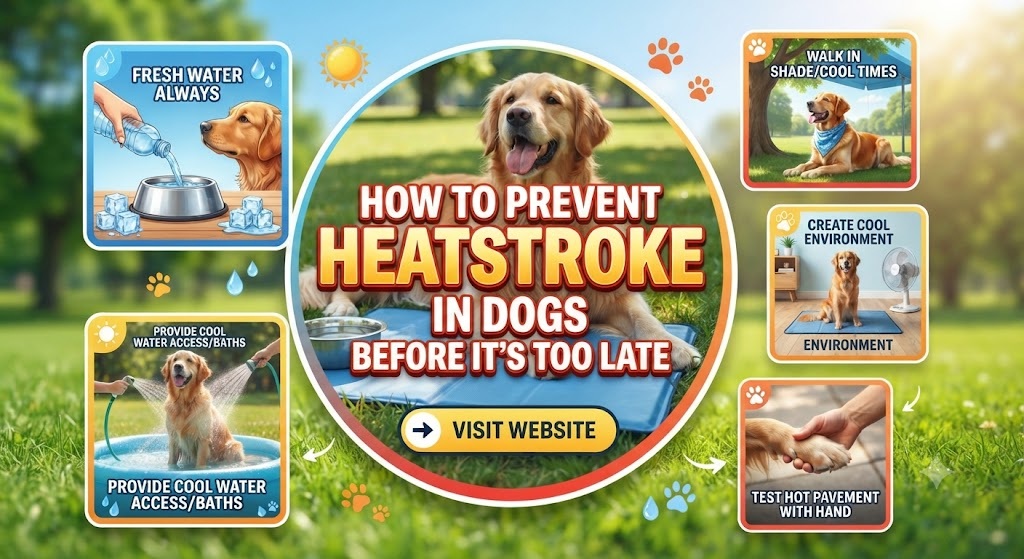
Heatstroke (hyperthermia) is the most significant risk dogs face during the summer. Unlike humans, who have sweat glands all over their bodies, dogs primarily cool themselves through panting and a small amount of sweating through their paw pads. When the air is too hot or humid, panting becomes ineffective, and their internal temperature can skyrocket.
Warning Signs of Heatstroke
Every dog owner should memorize these symptoms. If you see them, you must act immediately:
- Excessive, Frantic Panting: If your dog is gasping for air or panting louder than usual.
- Hypersalivation: Thick, ropey drool or foam at the mouth.
- Bright Red Gums and Tongue: A sign that the body is struggling to dump heat.
- Lethargy or Disorientation: Stumbling, weakness, or glazed eyes.
- Vomiting or Diarrhea: Often a secondary sign of heat stress.
- Seizures or Collapse: This is a dire emergency.
Emergency First Aid for Overheating
If you suspect your dog is overheating, do not wait.
- Move to Shade or AC: Get them out of the sun immediately.
- Use Tepid Water: Do NOT use ice-cold water or submerge them in an ice bath. This can cause the blood vessels to constrict, actually trapping heat in the core, or send the dog into shock. Use room-temperature or slightly cool water.
- Wet the Vital Areas: Focus on the “pits”—underarms, groin area, and the pads of the feet.
- Use a Fan: Evaporative cooling is the most effective way to lower their temperature.
- Offer Water: Allow them to drink small amounts, but do not force-feed water.
- Get to a Vet: Even if the dog seems to recover, heatstroke can cause internal organ damage that isn’t immediately visible.
2. Scorching Sidewalks: The 7-Second Rule
We often forget that if the air is 80°F, the asphalt can be upwards of 125°F. At these temperatures, a dog’s paw pads can suffer second-degree burns in just 60 seconds.
How to Test the Pavement
Before heading out for a walk, use the 7-Second Rule: Place the back of your hand firmly against the pavement (or sand). If you cannot hold it there comfortably for seven seconds, it is too hot for your dog to walk on.
Solutions for Hot Surfaces
- Walk Early or Late: Stick to early morning or late evening when the ground has had time to cool.
- Stick to Grass: If you must go out during the day, keep your dog on shaded, grassy areas.
- Doggy Booties: High-quality, breathable boots can protect paws from heat and sharp debris.
- Paw Wax: Products like “Musher’s Secret” provide a thin protective barrier against hot surfaces, though they aren’t a substitute for avoiding hot asphalt.
3. Hydration Hacks: Beyond the Water Bowl
Dehydration can happen rapidly in the summer heat. A dog should typically drink about one ounce of water per pound of body weight daily, but that requirement doubles or triples in the summer.
Encouraging Your Dog to Drink
- Multiple Stations: Place water bowls in every room and a few in the shade outside.
- Add Flavor: A splash of low-sodium chicken broth or tuna juice can encourage a reluctant drinker.
- Ice Cubes: Many dogs love crunching on ice cubes. It’s a myth that ice cubes cause bloat; they are generally safe and a great way to provide hydration and cooling.
- Wet Food: Switch to (or mix in) canned food during the summer to increase their moisture intake.
On-the-Go Hydration
Never leave the house without a collapsible bowl and a dedicated water bottle for your dog. Do not let your dog drink from communal bowls at dog parks, as these are breeding grounds for diseases like Giardia and Kennel Cough.
4. The Great Grooming Debate: To Shave or Not to Shave?
It seems logical: if you’re hot, you take off your coat. Therefore, a dog should be shaved for summer, right? Wrong.
The Science of the Double Coat
Dogs with double coats (Huskies, Retrievers, Shepherds, Pomeranians) use their fur as insulation. In the winter, it keeps them warm. In the summer, that same coat acts as a thermos, trapping cool air against the skin and protecting them from the sun’s rays.
- Sunburn Risk: Shaving a dog exposes their pale skin to UV rays, leading to painful sunburns and potentially skin cancer.
- Regrowth Issues: Shaving a double coat can permanently damage the fur, causing it to grow back patchy, coarse, or not at all.
- The Exception: Single-coated breeds (like Poodles or Doodles) that require regular clipping can be given a “puppy cut,” but you should still leave at least an inch of hair to protect the skin.
Better Grooming Alternatives
Instead of shaving, focus on deshedding. Removing the “dead” undercoat allows air to circulate through the fur more efficiently. Regular brushing and a professional “blow-out” at the groomer are the best ways to help your dog stay cool.
5. Sunscreen for Dogs: Yes, It’s Necessary
Just like humans, dogs can get sunburned. This is especially true for dogs with white fur, thin coats, or pink skin. Common areas for sunburn include the bridge of the nose, the tips of the ears, and the belly (especially for dogs that love to sunbathe on their backs).
Choosing the Right Sunscreen
WARNING: Never use human sunscreen on a dog. Human sunscreens often contain Zinc Oxide or Para-aminobenzoic acid (PABA), both of which are highly toxic if ingested (and dogs will lick it).
- Look for FDA-compliant sunscreens specifically formulated for canines.
- Apply to the nose, ear tips, and any areas with thin fur.
- Reapply after swimming.
6. Water Safety: Not Every Dog is a Natural Swimmer
While the “doggy paddle” is named after them, not all dogs are good swimmers. Brachycephalic (flat-faced) breeds like Bulldogs and Pugs struggle to keep their snouts above water, and heavy-set breeds like Basset Hounds often have trouble staying afloat.
Pool Safety
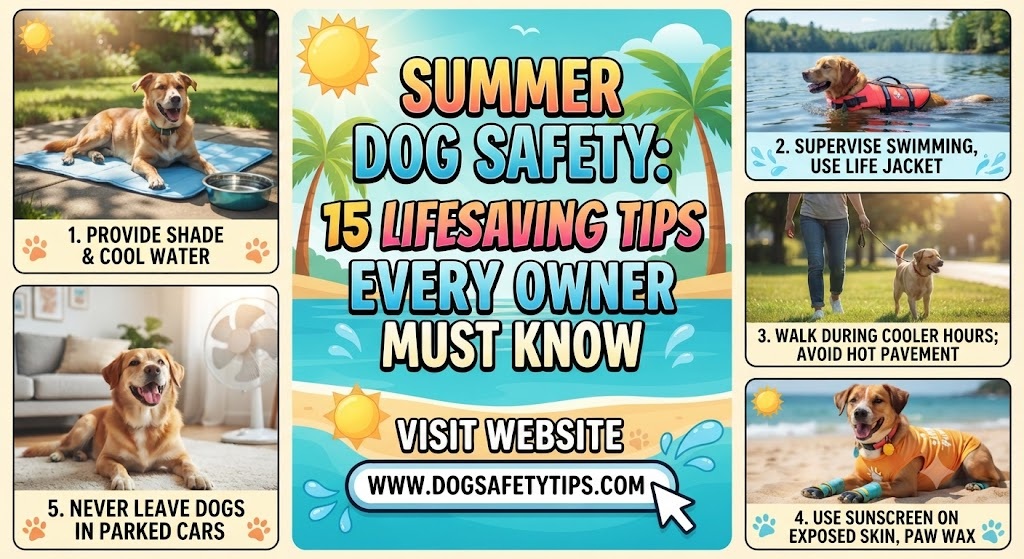
- Life Jackets: Even if your dog is a “pro,” a life jacket with a handle is essential for safety, especially in lakes or oceans with currents.
- The Exit Strategy: Most dogs drown in pools because they can’t figure out how to get out. Spend time teaching your dog exactly where the steps are.
- Chlorine and Salt: Rinse your dog after a swim. Chlorine can irritate their skin and eyes, and salt can dry out their coat.
- Water Intoxication: Be careful with dogs that obsessively “catch” water from a hose or splash in the waves. Inhaling or swallowing too much water can lead to hyponatremia (water intoxication), which is a medical emergency.
7. BBQ and Picnic Hazards: The “No-Fly” Zone for Food
Summer is the season of the grill, but common BBQ staples can be lethal to dogs.
Toxic Summer Foods
- Corn on the Cob: While the corn is fine, the cob is a major choking hazard and a frequent cause of intestinal blockages that require surgery.
- Bones: Cooked bones (especially chicken and ribs) become brittle and can splinter, piercing the digestive tract.
- Grapes and Raisins: These can cause sudden kidney failure.
- Onions and Garlic: These can damage a dog’s red blood cells.
- Alcohol: Even a small amount of beer or wine can cause alcohol poisoning in dogs.
- Xylitol: This artificial sweetener is found in some sugar-free desserts and peanut butters. It is incredibly toxic to dogs.
Pro Tip: Give your dog a “safe” BBQ treat, like a frozen Kong stuffed with plain Greek yogurt and blueberries, to keep them occupied while the humans eat.
8. Summer Pests: Ticks, Fleas, and Mosquitoes
The warm weather brings out the “blood-sucking brigade.” These aren’t just nuisances; they carry dangerous diseases.
- Ticks: Carry Lyme Disease, Rocky Mountain Spotted Fever, and Anaplasmosis. Do a full-body “tick check” after every walk, focusing on ears, toes, and under collars.
- Fleas: Can cause severe allergic dermatitis and tapeworms.
- Mosquitoes: The sole carriers of Heartworm. Heartworm is a devastating and expensive disease to treat, but it is 100% preventable.
Ensure your dog is on a year-round preventative, but be especially diligent during the summer months.
9. The “Hot Car” Warning: It’s Never “Just a Minute”
This cannot be stressed enough: Never leave your dog in a parked car, even with the windows cracked.
On an 85°F day, the temperature inside a car can reach 102°F in just 10 minutes. Within 30 minutes, it can spike to 120°F. Dogs can suffer brain damage or die in the time it takes you to run into the grocery store for a gallon of milk.
If You See a Dog in a Hot Car:
- Note the Make/Model: Write down the car’s description and license plate.
- Alert Local Businesses: Ask them to page the owner.
- Call Non-Emergency Police: Many states have “Good Samaritan” laws, but it is always best to involve authorities before breaking a window.
10. Managing Anxiety: Fireworks and Thunderstorms
Summer is the loudest season. Between the Fourth of July and summer thunderstorms, many dogs suffer from noise phobia.
Creating a “Safe Space”
- The Den: Set up a crate or a small room with no windows. Use a white noise machine or calming music (specifically designed for dogs) to drown out the bangs.
- Calming Aids: Thundershirts, pheromone diffusers (like Adaptil), and CBD oil can help take the edge off.
- Consult Your Vet: If your dog’s anxiety is severe, talk to your vet about prescription anti-anxiety medication. Do not wait until the day of the fireworks to ask!
11. Travel and Hiking Safety
If you’re taking your dog on the trail or a cross-country trip, preparation is key.
Hiking Tips
- Know Their Limits: Don’t take a couch-potato dog on a 10-mile hike in the sun.
- Leash Up: Wildlife (including snakes) is more active in summer. Keeping your dog leashed prevents dangerous encounters.
- First Aid Kit: Carry a dog-specific first aid kit containing gauze, antiseptic wipes, a tick remover, and self-clinging bandages.
Travel Tips
- Restraints: Use a crash-tested harness or a secured crate. A loose dog in a car is a projectile in an accident.
- Identification: Ensure your dog’s microchip info is up to date and they are wearing a collar with your current phone number.
12. DIY Summer Treats: The “Pupsicle” Recipes
Keep your dog cool from the inside out with these easy, healthy frozen treats!
The Peanut Butter & Banana Freeze
- 1 ripe banana (mashed)
- 2 tablespoons of dog-safe peanut butter (no Xylitol!)
- 1 cup of plain Greek yogurt
- Mix, pour into an ice cube tray or silicone mold, and freeze.
The Chicken Broth Delight
- Low-sodium chicken broth
- Small bits of cooked carrot or green beans
- Freeze in a large plastic container to create a “giant ice lick” that will keep them busy for an hour.
Watermelon Slushie
- 2 cups of seedless watermelon (no rind!)
- 1/4 cup of water
- Blend and freeze in small portions.
Conclusion: A Little Preparation Goes a Long Way
Summer is a glorious time to be a dog owner, but it requires a shift in mindset. By adjusting your schedule, being mindful of the environment, and knowing the early signs of distress, you can ensure your dog enjoys the sunshine just as much as you do.
Remember, your dog wants to be wherever you are—even if that means following you into the scorching heat. It’s up to you to be the one who says, “Stay inside, buddy, it’s too hot.” Your reward will be a healthy, happy pup ready for many more summers to come.
Stay cool, stay hydrated, and enjoy the dog days of summer!