
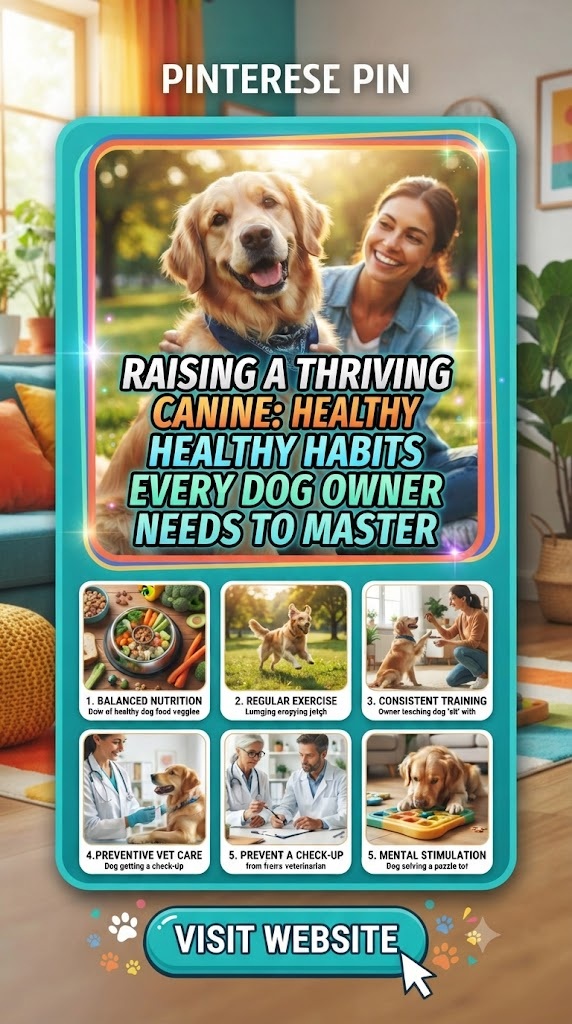
Raising a Thriving Canine: Healthy Habits Every Dog Owner Needs to Master
Owning a dog is more than just a commitment; it is a profound journey into a unique companionship that can last over a decade. However, the quality and length of that journey depend heavily on the daily habits you instill. Just like humans, dogs require a structured routine that addresses their physical, mental, and emotional needs. Whether you are bringing home a brand-new puppy or looking to improve the life of your senior companion, adopting these core healthy habits will ensure your dog doesn’t just live, but thrives.
1. Nutrition: The Foundation of Longevity
The old saying “you are what you eat” applies just as much to our four-legged friends as it does to us. Proper nutrition is the single most important factor in preventing disease and extending a dog’s lifespan.
Choose High-Quality Protein Sources
Dogs are facultative carnivores, meaning they thrive on a diet primarily composed of animal protein. When selecting a dog food, the first ingredient should always be a named meat source (like “chicken” or “lamb”), not “meat by-products” or “animal meal.” High-quality protein supports muscle development, skin health, and a shiny coat.
Portion Control and Weight Management
Obesity is a silent killer in the canine world. It leads to joint pain, diabetes, and heart disease.
- The Rib Test: You should be able to feel your dog’s ribs easily without a thick layer of fat, and they should have a visible waist when viewed from above.
- Use Measuring Cups: Never “eye-ball” the food. Use a standard measuring cup to ensure consistency.
- Account for Treats: If you’re doing heavy training with treats, reduce the size of their evening meal.
Hydration is Key
Clean, fresh water must be available 24/7. Water aids in digestion, nutrient absorption, and temperature regulation. If your dog is a “lazy drinker,” consider adding a splash of bone broth (onion and garlic-free) to their bowl or switching to a wet food topper to increase moisture intake.
2. The Power of the “Sniffari”: Rethinking Physical Exercise
Most owners think a quick 10-minute walk around the block is enough. While physical movement is vital, dogs perceive the world through their noses.
Quality Over Distance
A “Sniffari” is a walk where the dog leads the way and is allowed to sniff whatever they want for as long as they want. This mental processing of scents is as exhausting for a dog as a two-mile run. It lowers their pulse and reduces cortisol levels, making for a much calmer dog at home.
Age-Appropriate Activity
- Puppies: Their joints are still forming. Avoid long-distance running or high-impact jumping until they are at least 12-18 months old.
- Adults: Aim for at least 30-60 minutes of vigorous activity daily, tailored to their breed’s energy level.
- Seniors: Gentle walks and swimming are excellent for maintaining muscle mass without stressing arthritic joints.
Consistency is Crucial
Dogs thrive on routine. Try to exercise your dog at the same time every day. This creates a predictable rhythm that reduces anxiety and helps with house training.
3. Mental Enrichment: Training the Brain
A bored dog is often a “bad” dog. Destructive behaviors like chewing furniture or excessive barking are usually cries for mental stimulation.
Interactive Puzzle Toys
Invest in puzzle feeders, snuffle mats, and Kongs. These tools force a dog to problem-solve to get their food, mimicking the natural foraging behavior of their ancestors.
The “15-Minute Rule” for Training
You don’t need hours of formal schooling. Just 15 minutes of daily trick training or obedience work keeps their mind sharp. This also strengthens the bond between you and your pet.
- The Basics: Sit, Stay, Come, Down.
- Advanced: Heel, Leave it, Place.
- Fun: Spin, Roll over, Middle.
Socialization Beyond Other Dogs
Socialization isn’t just about playing with other dogs; it’s about exposing your pet to various sights, sounds, and textures. Take your dog to dog-friendly hardware stores, walk over different surfaces like grates or sand, and expose them to umbrellas, vacuum cleaners, and sirens in a controlled, positive way.
4. Dental Hygiene: The Most Overlooked Health Habit
By age three, over 80% of dogs show signs of periodontal disease. Dental issues don’t just stay in the mouth; bacteria from the gums can enter the bloodstream and damage the heart, liver, and kidneys.
Daily Brushing
Ideally, you should brush your dog’s teeth every day using dog-specific toothpaste (human toothpaste contains xylitol, which is toxic). If daily isn’t possible, aim for three times a week.
Dental Chews and Water Additives
While not a replacement for brushing, dental chews can help scrape away plaque. Look for products with the VOHC (Veterinary Oral Health Council) seal of approval.
5. Preventative Healthcare: Staying Ahead of Issues
Waiting until your dog is sick to see a vet is often more expensive and less effective than preventative care.
Annual (or Bi-Annual) Wellness Exams
Dogs age much faster than humans. An annual checkup for a young dog is like a human going to the doctor every seven years. For seniors, twice-yearly visits are recommended to catch age-related issues like kidney decline or arthritis early.
Parasite Prevention
Ticks, fleas, and heartworms are more than just a nuisance; they carry deadly diseases.
- Heartworm: Transmitted by mosquitoes, this is nearly 100% preventable with a monthly pill or injection but incredibly difficult and expensive to treat once contracted.
- Tick-borne diseases: Lyme disease and Anaplasmosis can cause lifelong joint issues. Use a high-quality preventative year-round.
Vaccinations
Keep up with core vaccines (Rabies, Distemper, Parvovirus) and talk to your vet about lifestyle vaccines like Bordetella (for kennel cough) or Leptospirosis if your dog spends time in the woods or near standing water.
6. Grooming: More Than Just Looking Good
Regular grooming is a vital part of health monitoring. It allows you to feel for new lumps, bumps, or skin irritations that might otherwise go unnoticed under thick fur.
Brushing and Coat Care
Brushing removes dead hair and distributes natural skin oils. For long-haired breeds, this prevents painful matting. For short-haired breeds, it reduces shedding and keeps the skin healthy.
Nail Trimming
If you can hear your dog’s nails clicking on the floor, they are too long. Long nails can change the way a dog walks, eventually leading to skeletal issues and arthritis. Aim to trim or grind nails every 2-4 weeks.
Ear Cleaning
Breeds with floppy ears are particularly prone to yeast and bacterial infections. Clean their ears weekly with a vet-approved solution to prevent buildup and irritation.
7. The Importance of Quality Sleep
Dogs spend about 12 to 14 hours a day sleeping. Providing a high-quality environment for rest is essential for their emotional regulation.
Provide a Safe Space
Every dog should have a “den”—a crate or a specific bed in a quiet corner where they know they won’t be disturbed. This is especially important in households with children.
Support for Aging Joints
As dogs age, they benefit greatly from orthopedic memory foam beds that support their joints and prevent pressure sores.
8. Emotional Health and Bonding
A healthy dog is a happy dog. Dogs are social pack animals that thrive on interaction.
Quality Time
In our busy lives, it’s easy to just “exist” in the same room as our dogs. Make an effort to have 20 minutes of dedicated, distraction-free time with your dog every day—no phones, just you and your pet.
Positive Reinforcement
Build a relationship based on trust, not fear. Use positive reinforcement (rewards, praise, play) to encourage good behavior. This creates a confident dog that is eager to please rather than a fearful dog that is trying to avoid punishment.
9. Safety and Identification
A healthy habit also involves preparing for the unexpected.
Microchipping and Tags
Even the most well-behaved dog can get spooked and run away. Ensure your dog is microchipped and that the contact information is up to date. They should also wear a collar with an ID tag containing your current phone number.
Home-Proofing
Regularly check your yard for gaps in the fence or toxic plants (like sago palms or lilies). Inside, ensure that “human” snacks like grapes, chocolate, and onions are kept far out of reach.
10. The Senior Years: Adapting Habits
As your dog enters their twilight years, their “healthy habits” need to shift.
Increased Monitoring
Watch for subtle changes in behavior. Is your dog reluctant to jump into the car? Are they drinking more water than usual? These can be early signs of arthritis or kidney issues.
Cognitive Support
“Doggy dementia” (Canine Cognitive Dysfunction) is real. Keeping up with mental puzzles and introducing supplements like Omega-3 fatty acids can help maintain brain health as they age.
Conclusion: The Compound Effect of Small Choices
You don’t have to revolutionize your dog’s entire life overnight. Healthy habits are built one choice at a time. Start by measuring their food more accurately today. Add five minutes of training tomorrow. Schedule that overdue vet visit next week.
By committing to these pillars of canine wellness—nutrition, exercise, mental stimulation, and preventative care—you aren’t just being a “good” owner. You are becoming a guardian of your dog’s health, ensuring that they remain by your side, wagging their tail, for as many years as possible. Your dog gives you their whole life; the least you can do is make sure that life is the healthiest and happiest it can be.